In Memory of Comrade Cui Yueli
Thoughts Cast Outward
Twentieth anniversary of my father Cui Yueli's passing
Zhang Xiaotong, in weeping recitation
Twenty years on, remembering my father —
in and out of death, the matter to him was small.
Red-hot loyalty, fearless of anything;
he kept the old city clear of the smoke of war.
Twenty years on, thinking of my father —
his mind always turned to the common people.
Rising before dawn, resting late, never weary;
only so the people's days could be sweet.
Twenty years on, in reverence for my father —
he dared to speak straight for the truth.
Seek facts from reality, feet planted firm;
sooner the iron bars than bending the face.
Twenty years on, in praise of my father —
he walked the land in investigation.
Healing the wounded, saving the dying, the Qi-Huang task —
a child-pure heart, answerable to heaven.
Twenty years on, in wonder at my father —
he left home and career — what for?
He did not want the praise of fine color;
only to be a good man who blessed his home.
I raise a full cup of strong wine in libation —
a whole life of struggle, shoulders never at rest.
A heart without self, holding the great love;
standing in the world without shame before heaven and earth.
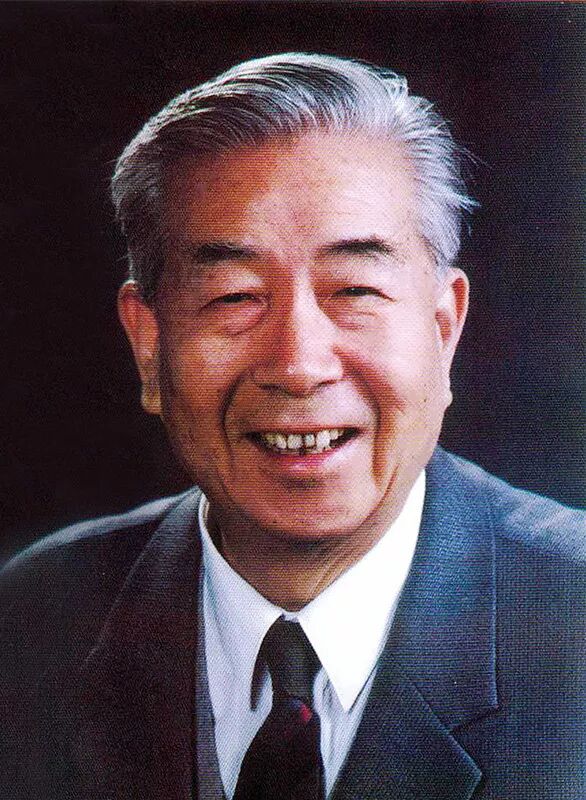
On January 22, 1998, with heavy snow falling, heaven and earth grieving as one, an old revolutionary much loved by the people passed away. The queue at the farewell stretched three or four hundred meters; cars lined every street around the funeral hall… A long, utterly silent line — grief spoken only in the heart.
Twenty whole years have passed since Comrade Cui Yueli left us. Family, comrades-in-arms, colleagues — all those who followed him, who admired him — think of him deeply.
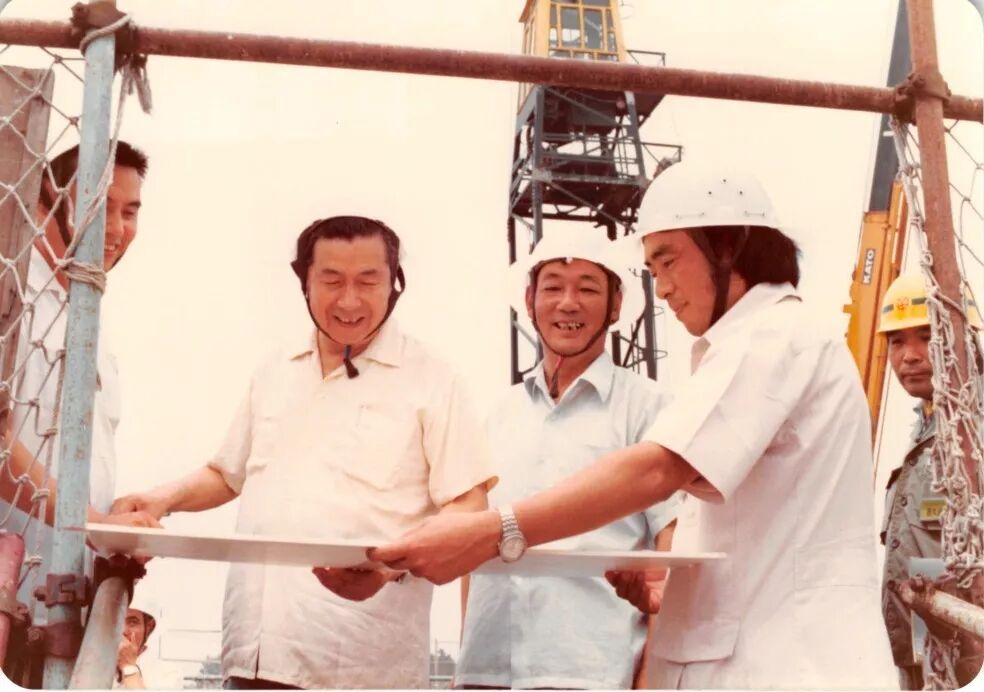
On the blood-and-wind plain of central Hebei, he had slipped through Japanese-puppet blockades. He did not remember the rough turnings of the roads, did not notice the passage of time — what he recalled most was the sight of peasants, under the moon, urging their oxen through the furrows. When he reached the liberated area and went to register, he gave himself a new name: Cui Yueli (崔月犁) — moon, ploughshare. The name became the portrait of his life's hard labor. On the earth that is the people's mother, he was like an untiring yoke-ox, cutting one furrow after another with the blood and sweat of his own body, lifting the scent of the turned soil — plowing and plowing… to the last breath of his life.
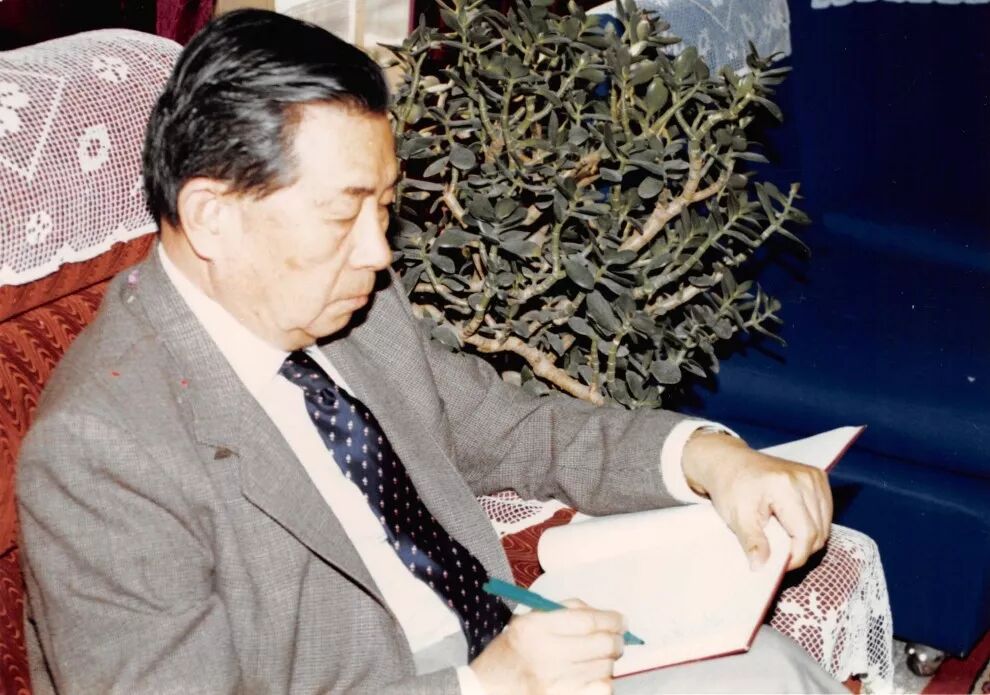
During the years of revolutionary war, Comrade Cui Yueli fought the Japanese invaders on the plain of central Hebei, and later went in under the "white terror" to Beiping, risking life for the peaceful liberation of the old city. In the early years of the new China he worked without rest, rising before dawn and sleeping late, and gave much to the rebuilding and development of Beijing. During the Cultural Revolution he suffered persecution by the Gang of Four, and spent eight years behind iron bars — but his revolutionary character did not waver. From 1978, as Vice-Minister and then Minister of Health, he walked the whole country doing on-the-ground research, and made the decisions that became banners of revival for Chinese medicine: Revive Chinese Medicine and Preserve and Develop the Distinctive Features of Chinese Medicine.
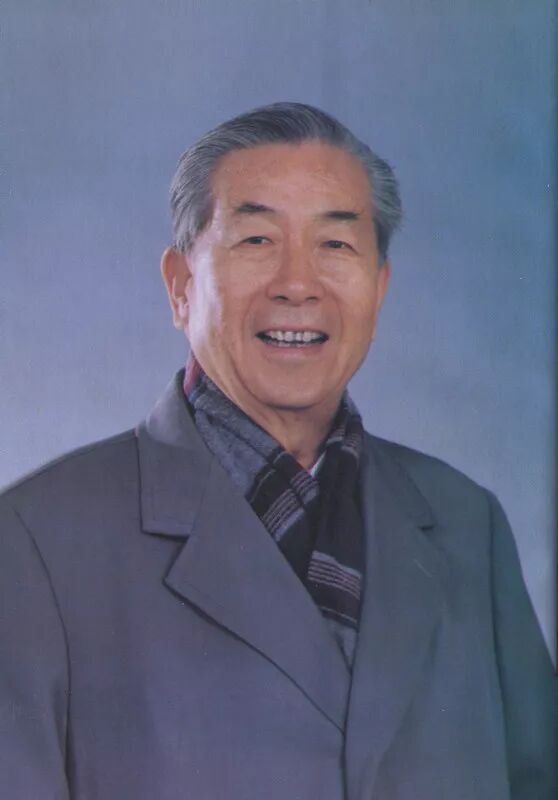
All his life he was open-hearted and above-board, decisive and bold in action, willing to take responsibility; with others he was plain-spoken, warm, at ease, and attentive. His favorite couplet in life was "Stand without shame before Heaven and Earth; aspire, never forgetting the people." That couplet, written in the practice of a whole life, is Cui Yueli's revolutionary spirit.