Cui Yueli — A Name Carved on the Monument of the Republic
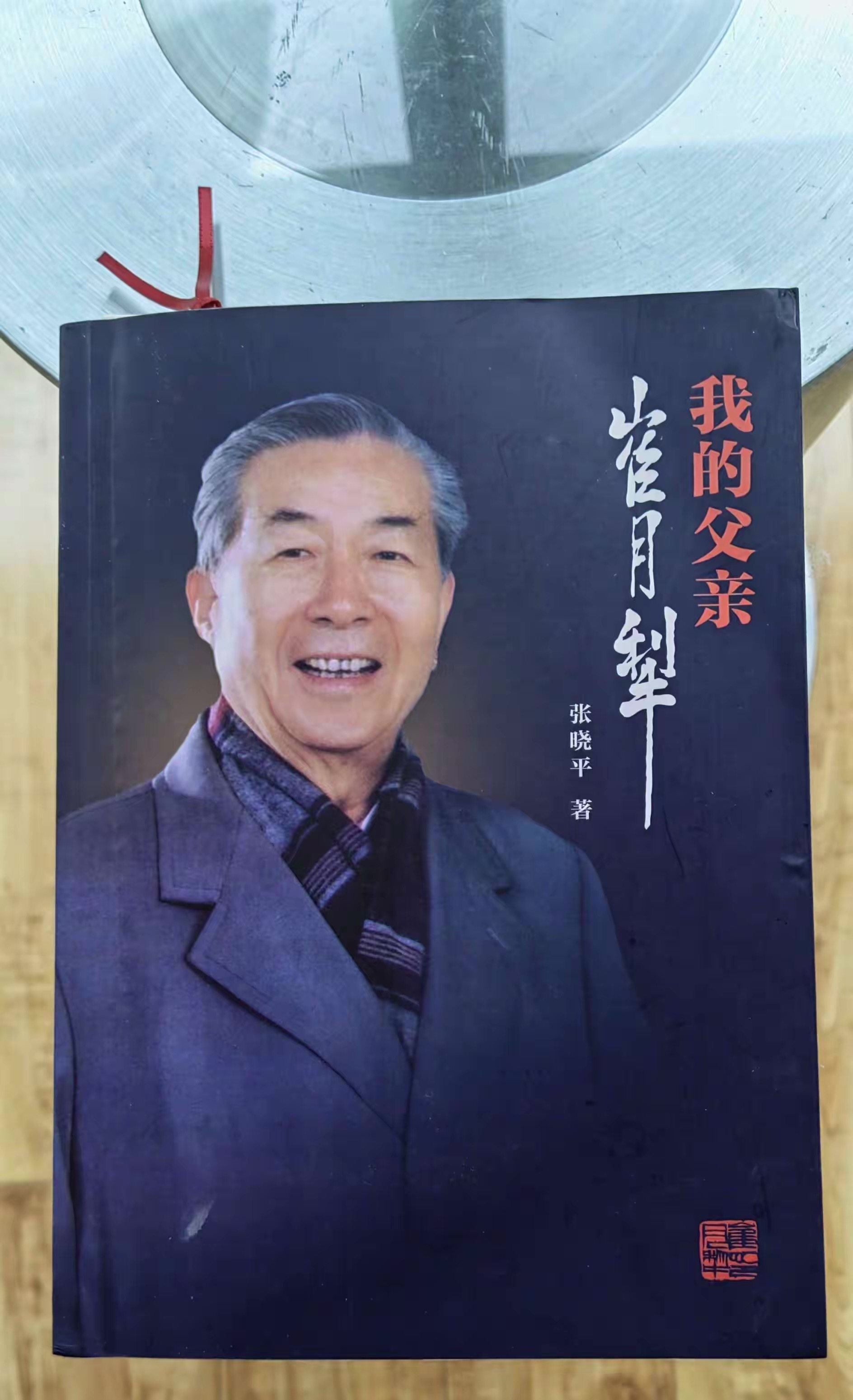
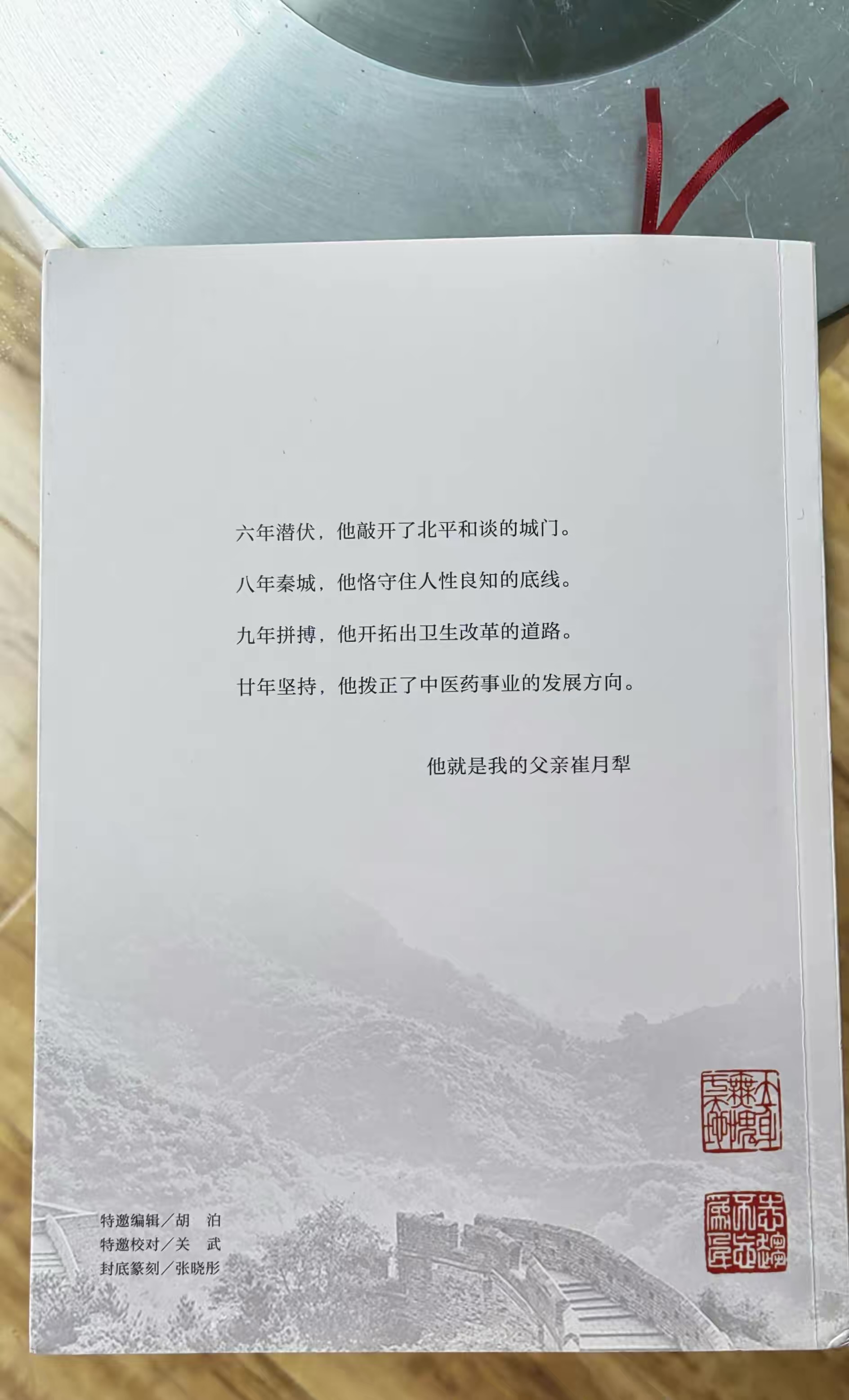
A review of My Father Cui Yueli by Zhang Xiaoping.
Original essay: Du Jianying.
Set against the sapphire-blue cover is a figure — a man in a grey-blue turned-collar overcoat, a scarf of red-blue-grey at his neck — neat, spare, upright, with warm eyes, a kindly brow, ruddy cheeks, and an air of quiet approachability…
Who is he — why does the first glance leave such a deep, fine impression?
Who is the author — why does her first book run easily to more than half a million characters, and still move the reader?
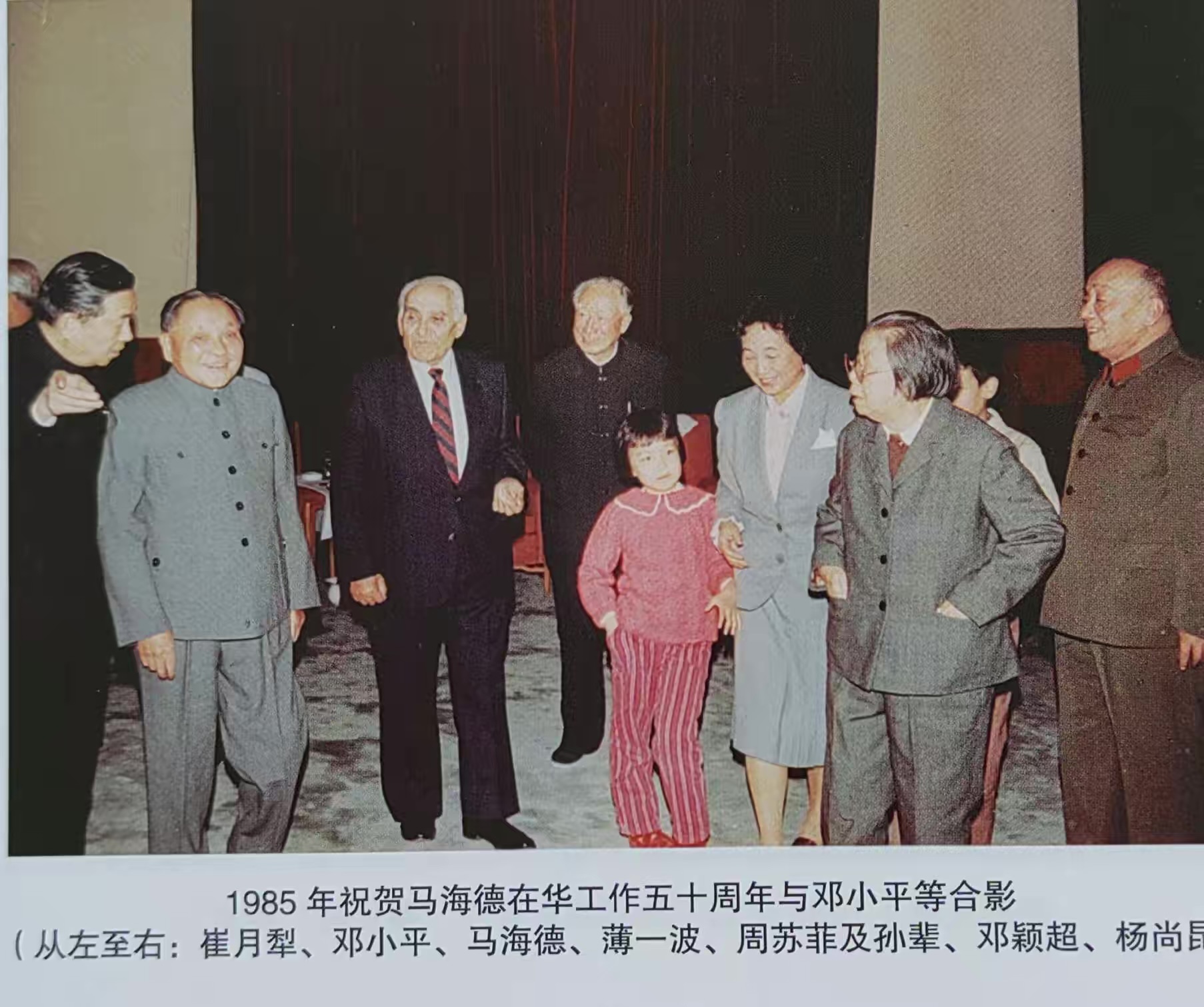
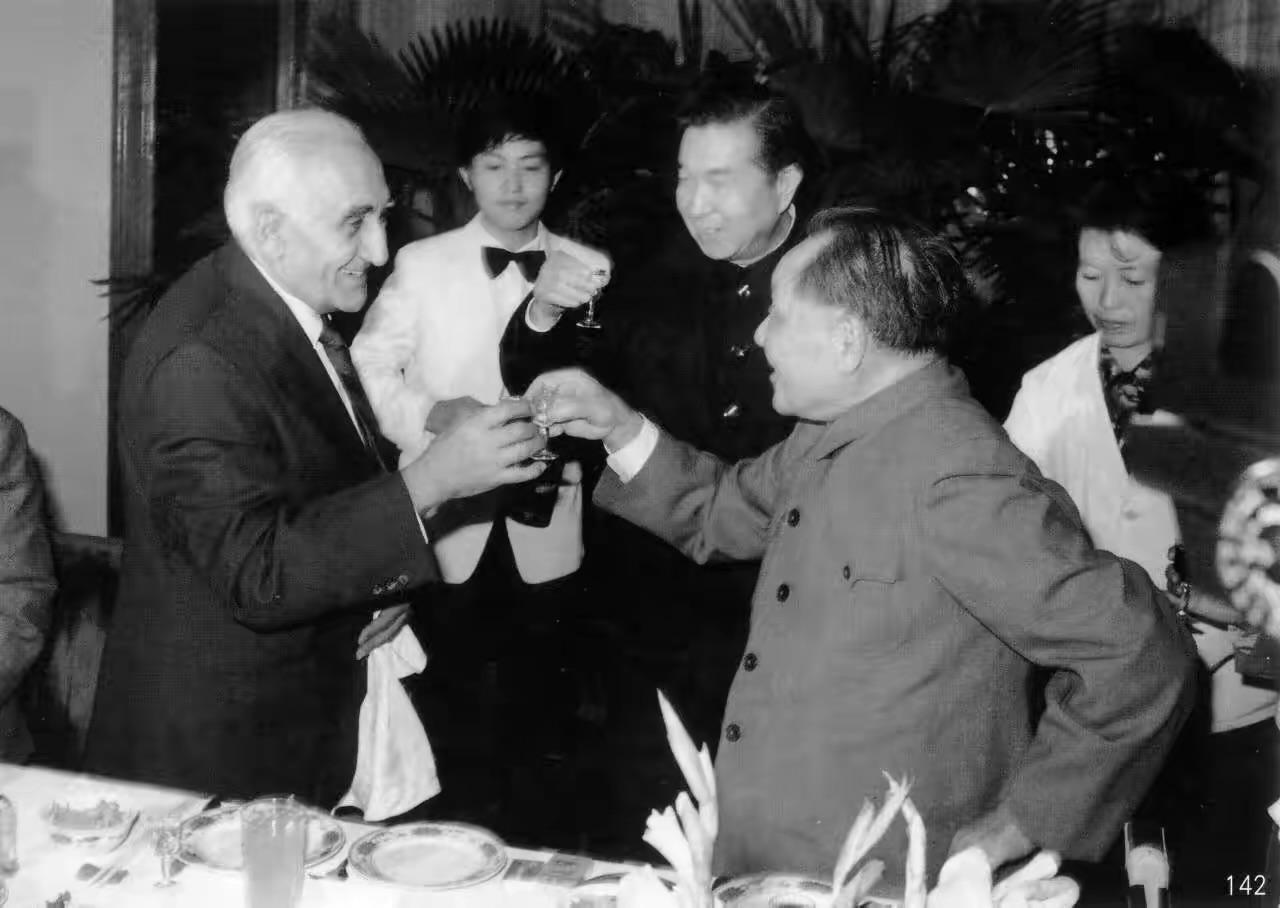
Opening the book with reverence, what comes into view is the hero figure reminiscent of "Li Xia" in The Undying Radio Wave; what comes into view is his working alongside Mao Zedong and Deng Xiaoping and other Party and state leaders; what comes into view is the image of a high official of the Republic who travelled to Tibet and more than twenty other provinces and regions doing on-the-ground research, who visited more than thirty countries and brought back advanced experience — Cui Yueli.
A biography's core is to tell a person's story, to bring out the character that makes him unmistakably himself. My Father Cui Yueli has that.
The book is 29 chapters, with the era as backdrop, time as sequence, events as focus, and the person as through-line. In detailed historical material, the author records the extraordinary life of the Republic's high official Cui Yueli; in a daughter's depth of feeling, she tenderly conveys her father's gentle, loving life.
Author Zhang Xiaoping is Cui Yueli's daughter, and the only daughter among his five children. The whole family was specially protective of her, and her father was especially gentle with her; father and daughter were very close.
Far away in the United States when she heard the news of her father's sudden passing, she was pierced through. The memories refused to settle. But under the confidentiality restrictions of his earlier life, she had never thought to write a book about him. Over the years, she began to reflect: most of her father's generation were gone; they had taken countless wonderful stories with them. Her father had lived through the upheavals of state and people; he had been a participant in many great events; to record in truth what he had thought and done within that great historical background was her responsibility alone.
Zhang Xiaoping's thinking ripened. She had received permission to make her father's revolutionary experiences public. With the encouragement and urging of friends, her motivation to write came. But she had studied medicine, and writing a book felt unfamiliar and hesitant — the project was delayed three full years. In that time her mother passed, and took many stories of her father with her. Only then did she realize sharply: the longer the delay, the less material would remain, and the harder the book would be to write.
Zhang Xiaoping came back to China at once and began two years of interviews. Content from her mother Xu Shulin's edited collection Yueli; personal reminiscences from family, friends, colleagues, subordinates; material from the archive rooms of the Ministry of Health, the Family Planning Commission, and the Beijing Municipal United Front Department; reports in People's Daily, Guangming Daily, Health News, China TCM News, and others; verification of the Beiping underground Party's Xibaipo-saving telegram; the story of "Spy No. 608" of the Military Statistical Bureau; help from Zhang Hongxi, former Secretary-General of the China Biographical Literature Association; TCM stories told by Zhu Guoben, former Deputy Director of the State Administration of TCM; material supplied by Ma Xiaowei, head of the National Health and Family Planning Commission; valuable advice from veteran journalist Li Jiajie; a phone interview with former Vice-Minister of Health Peng Yu about the Tibet trip; the famous TCM specialist Fei Kaiyang's gratitude-filled "seven visits to the thatched cottage"; men in their nineties and young people holding themselves modestly — all greeted Zhang Xiaoping warmly and answered her fully, making her sigh again and again: "The man has gone, and the tea has not cooled."
All of this supported Zhang Xiaoping, full of feeling, in writing — at one stretch — the moving, soul-stirring, freely-ranging My Father Cui Yueli.
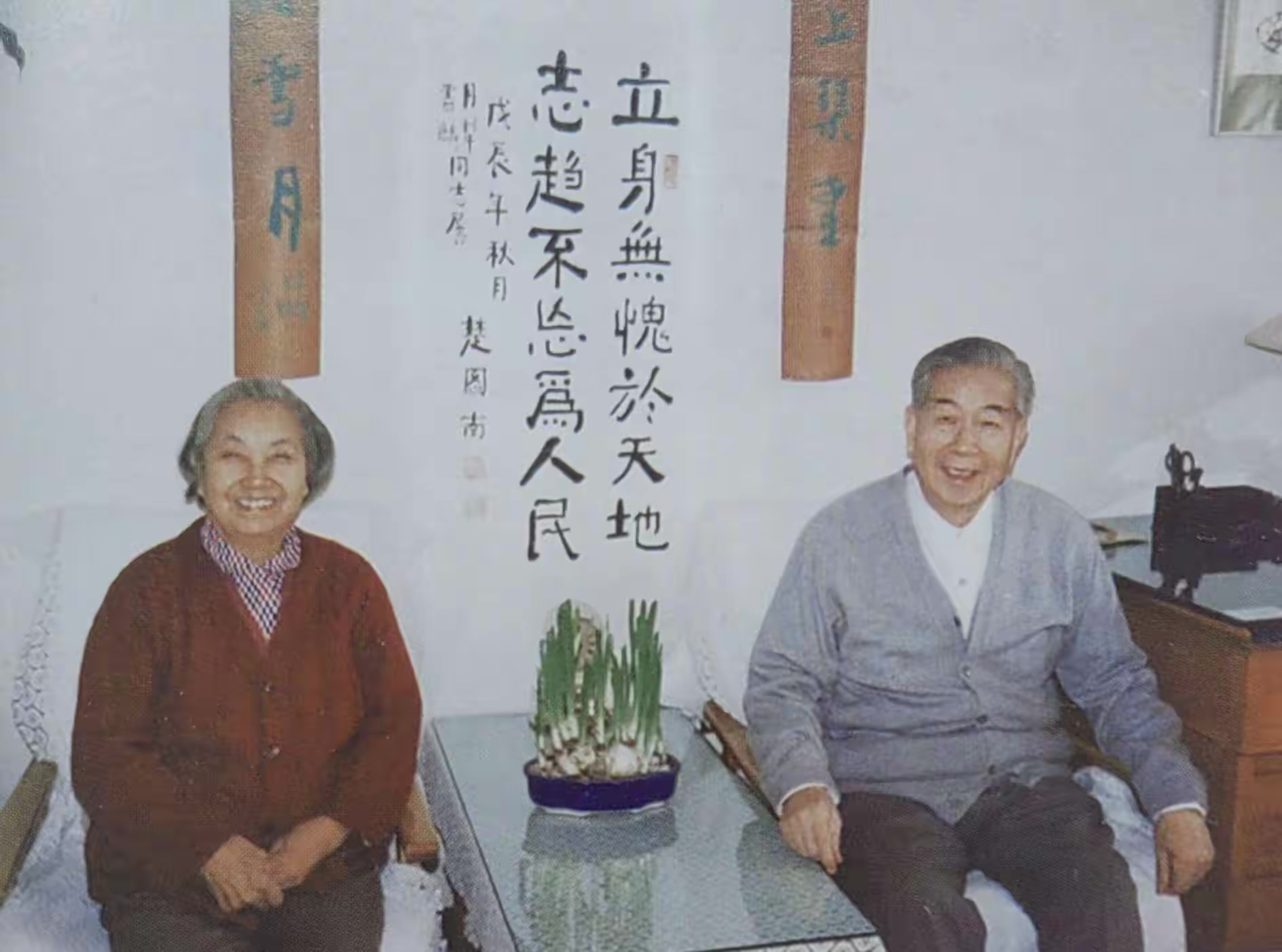
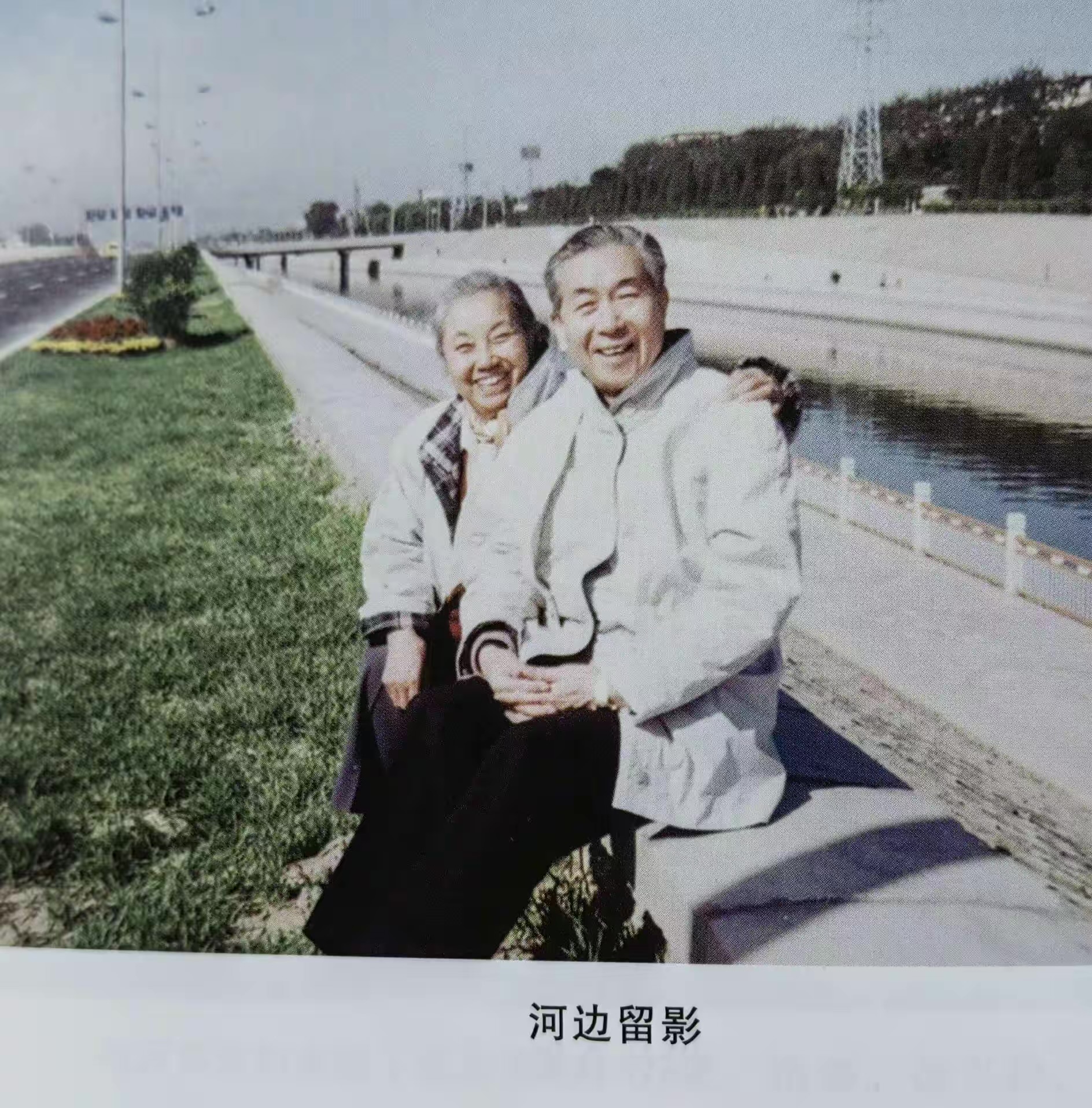
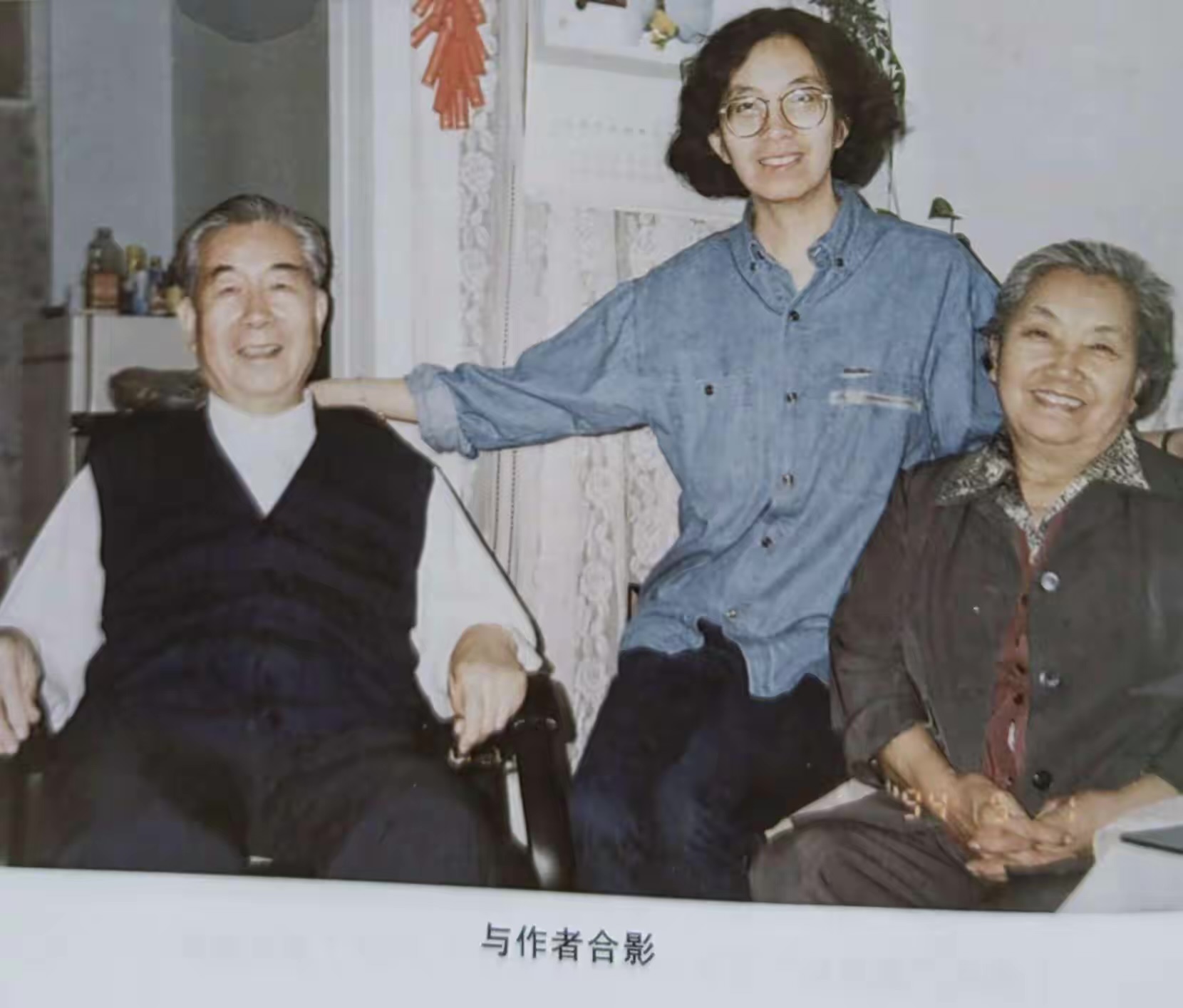
It is fair to say this is a masterpiece of family history that gathers parent-child affection, sings the father's noble character, gathers the admiration of many, and carries forward the spirit of a monument.
With the deepest respect, I will comment on the book from five angles.
1. A farm-country boy takes up medicine, reaches Beiping, looks toward revolution and joins the Party — renaming himself Cui Yueli "through bitter labor"
The author opens with a warm and vivid telling: on the flat expanse of the North China plain, in Fengjiaying Village of Shenxian County, Hebei, the second son of the Zhang family at the western edge of the village — Zhang Guangyin — was destined, from the "red-chair"-sitting child-days on, to be someone the village could not hold on to. At fourteen, unable to resist a marriage he refused, he made up his mind to leave, and went to the neighboring Shulu County's Weibozhen Chinese-Western Hospital as an apprentice. Three years without rest, he made it through his apprenticeship, and still did not want to be tied down. With only a picture of Beiping on a "Daqianmen" cigarette box as his guide, he left alone for Beiping — five hundred li away — to find his way in the world.
This farm boy was lucky from the moment he stepped into Beiping. At Yaoxi Hospital he met a group of Communists. Seeing their righteous courage, hearing the heart-stopping tales of their underground work, his own wish to be one of them took shape naturally. He had ideals and he acted on them: in 1937 he joined the CCP, and from then on walked the road of revolution.
As the author puts it: "In those war-torn years, a random turn at any crossroads could make a difference between heaven and earth. Yaoxi Hospital brought Father into a new world, and in that world he built his belief and walked a road entirely different from his hometown peers."
This passage faithfully reflects how Cui Yueli — and many other young people of the era pursuing an ideal, resolving to overturn a rotten and dark system — came to the road of revolution.
From the two photographs the author carefully collected — kept by the parents themselves — one can see an untamed young man, in a posture rare in those years, holding alert eyes to the camera, deep and understated, with a kind of light — a longing for tomorrow, and watchfulness about his surroundings. Yes, even by today's standards, a textbook underground-worker's look. In spare language, vivid narration, careful emotion, Zhang Xiaoping restores for the reader, very early in the book, the true image of the underground Party — a success of the book.
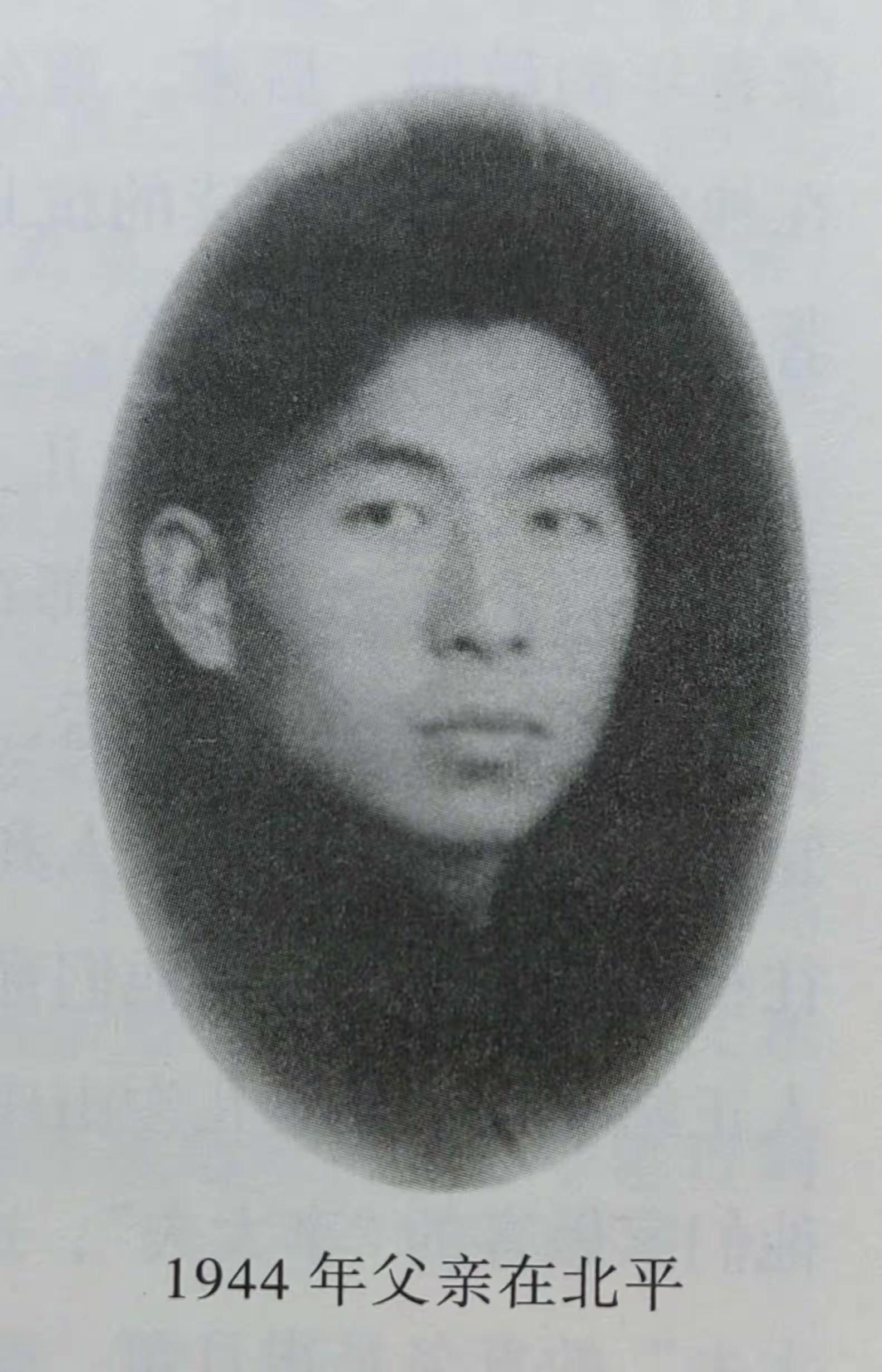
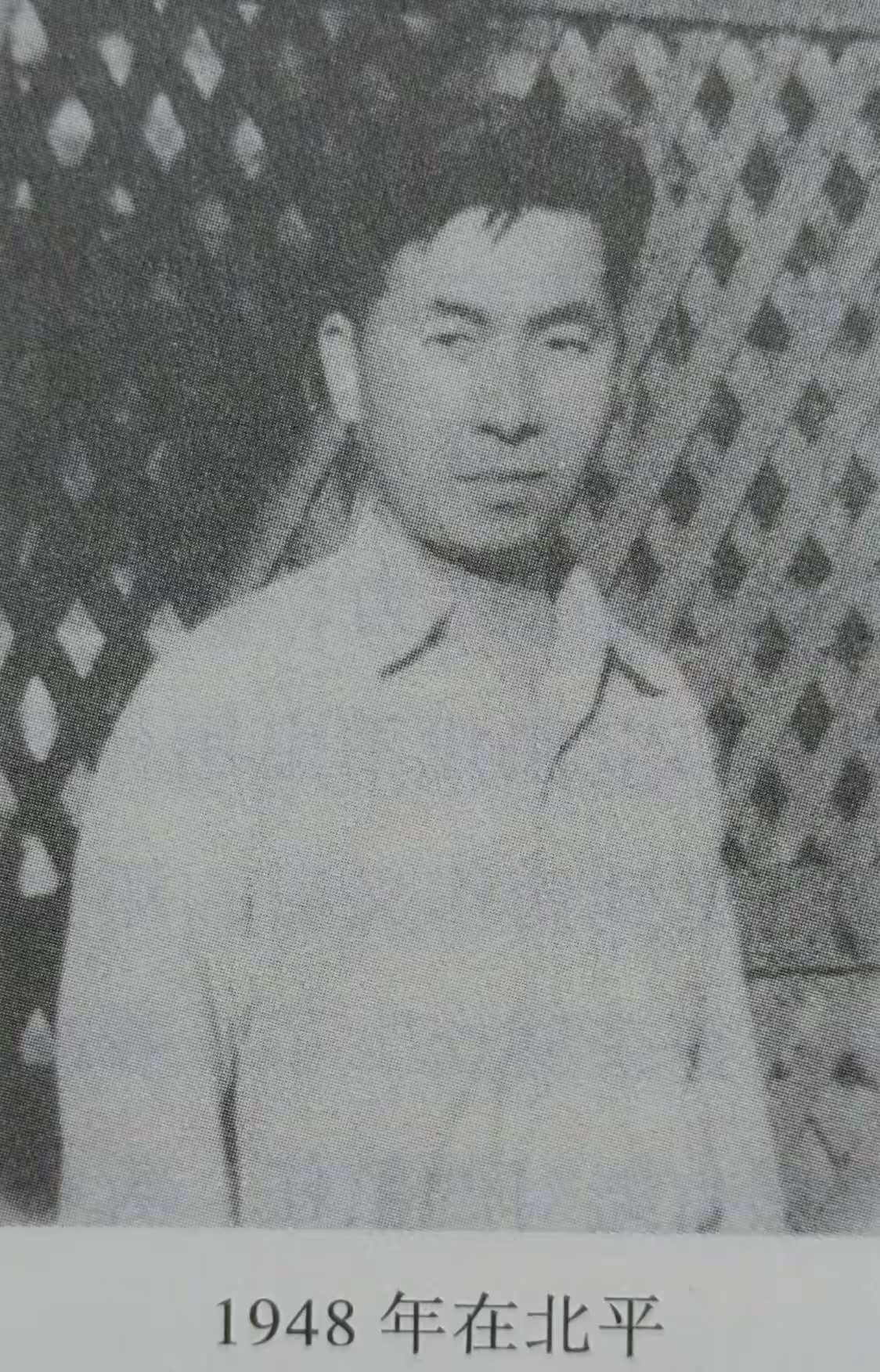
The underground Party noticed the qualities in this clever, alert young man. To train him, the Party sent him to Hebei Pingshan branch Party school. Rules required a new name at registration.
That evening the sun had set, and a bright moon was rising. In the dim fields nearby, a peasant was driving his ox to plow. The host, where the young man was staying, was surnamed Cui. A realization rose in this Zhang youth — a cascade of thought — and on the spot he decided not only to change his name but to change his surname. He gave himself the name Cui Yueli — moon, ploughshare — with the meaning that his whole life he would be like an ox, needing no whip to lift his own hoof, plowing hard for the revolutionary cause, giving himself completely. He used this name for sixty years; from that point on he never used his real name "Zhang Guangyin" again. He also lived out the intention of the renaming: following the Communist Party in building a country, and in holding one — a life of struggle and of keeping the original heart.
In wartime, it was not unusual for a revolutionary to change name for ideal or work. What is remarkable is Mao Zedong's comment on this particular name.
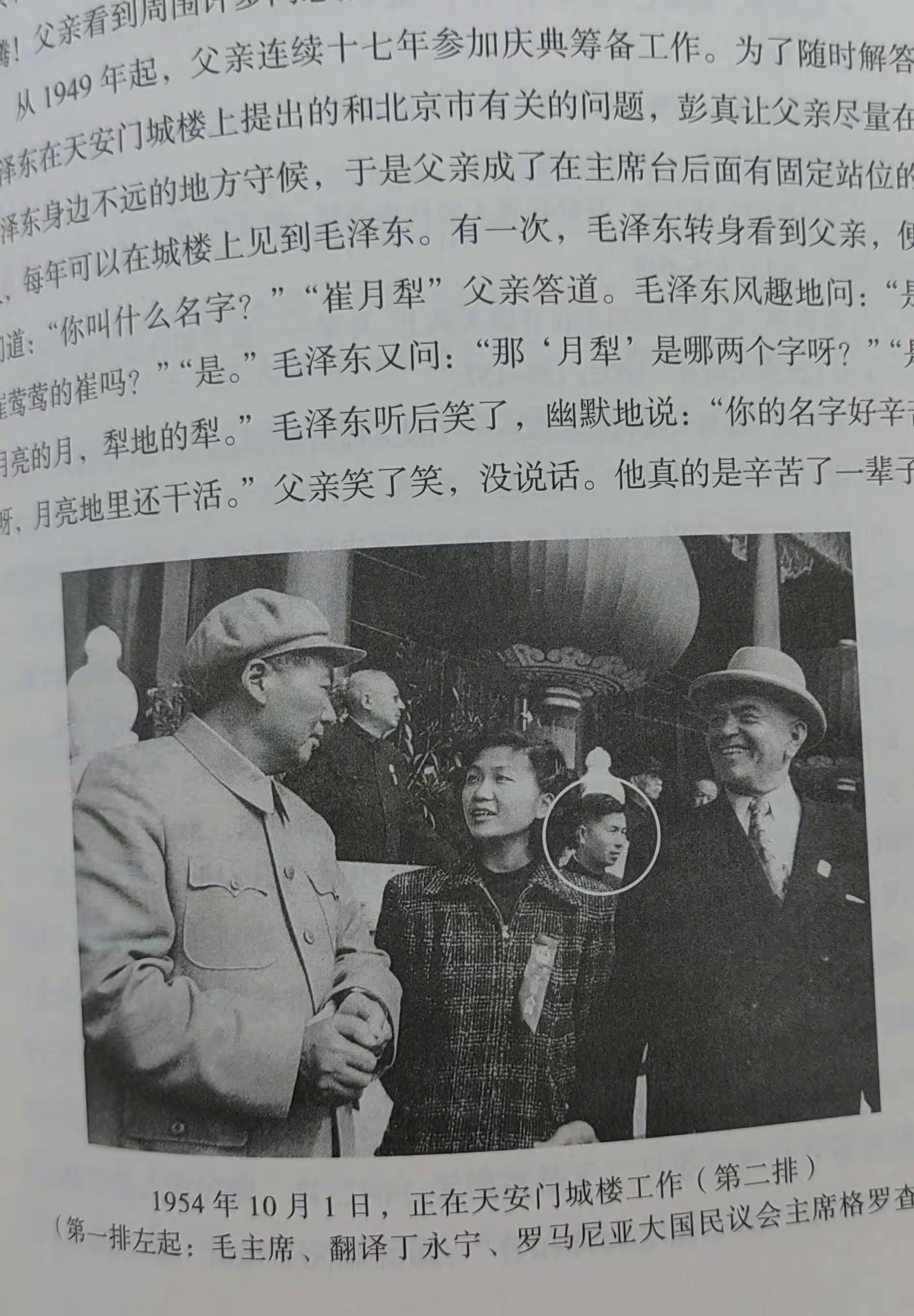
In the spring of 1949, Cui Yueli concurrently served as political secretary to Peng Zhen of the Beijing Municipal Committee, handling major tasks Peng assigned. On October 1, at the PRC founding ceremony at Tiananmen Square, Cui Yueli was in charge of the rostrum's VIP list. From then on, for seventeen consecutive years he worked on the preparation for the National Day ceremonies, serving as the general director for the October 1 civilian-parade rehearsals. So that he could answer any question Mao might raise on the rostrum about Beijing, Peng Zhen kept him as close to Mao as possible. Cui Yueli thus had a fixed standing place behind the rostrum, and saw Mao Zedong every year on the gate-tower.
Once, having learned Cui Yueli's name, Mao said, with a smile: "Your name — how hardworking! Plowing under the moon."
Looking at Cui Yueli's life as a whole, one can only sigh: Cui Yueli, you really were "hardworking"!
2. Dr. Li, Beiping No. 2, three radios, six years underground — the great hero of Beiping's peaceful liberation
After studying at the Party school, Cui Yueli fought bloody battles on the plains of central Hebei against the Japanese and was commended. Then he accepted a special mission and returned to Beiping — under the cover-name "Dr. Li" at Qiheilou Hospital. By day he saw patients; after hours he did underground work, making friends among intellectuals, spreading anti-Japanese messages, developing Party members; in the puppet regime he built allies who sympathized with the resistance, bringing them into the Party or into Party-adjacent groups; through them he shipped medicine and medical supplies to the base areas, and moved anti-Japanese talent from Beiping to the base areas too — all work carried out at the risk of life.
The underground liaison methods were also extremely dangerous. To build a more effective channel, the underground-Party leader Liu Ren decided to have Cui Yueli head the build-out of a radio network in Beiping. Preparation began in 1942 and took five years. At last they had their own technical personnel, and self-built the first radio — and then the second, and the third.
Cui Yueli led three radios codenamed "Beiping No. 2." From June 1947, when construction was complete, until it was taken down in January 1949, the network transmitted countless pieces of military intelligence: troop movements, routing of military trains. The sources were underground agents embedded in various Nationalist offices. Behind every cable lay the courage and cunning, the blood-and-sacrifice adventure, of underground Party members.
Even though the radio changed location three times, and care was extreme, the "Beiping espionage case" broke. Damage to the northern intelligence network was severe; defection spread like plague. Cui Yueli became a top target for the Nationalist secret police; they said publicly that once he was caught, he would be sent straight to Nanjing. At the high-tide of the white terror, the Beiping underground Party was ordered to secure Fu Zuoyi's uprising — and the leading task of the peaceful liberation of Beiping was entrusted to Cui Yueli, who had been underground in Beiping for six years. A legend within a legend.
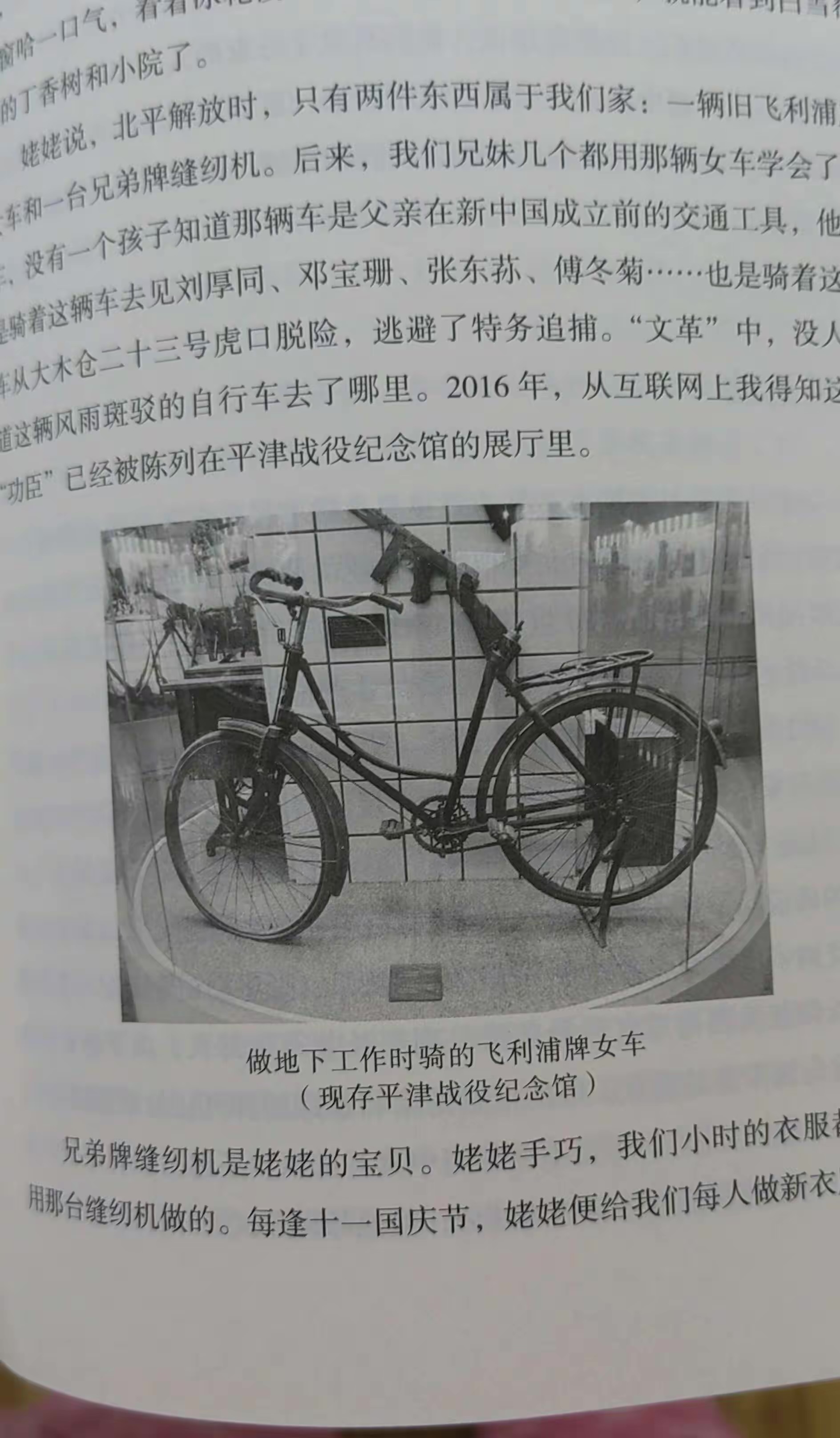
"Heaven will send a great charge to this one" — after taking the mission, Cui Yueli used the upper-level relationships he had built over years, stepped out directly, worked through Fu Zuoyi's teacher, subordinates, friends, doctor, family to learn the situation and to do the persuasion. With his exceptional courage and cunning, he moved among the tigers' jaws; with his extraordinary approachability, he moved freely inside the enemy's camp.
Through Fu Zuoyi's daughter Fu Dongju, Cui Yueli kept daily contact: her father's conduct at home was reported to him directly. Cui Yueli combined this with other intelligence and, through the only still-functioning backup radio, reported to the Central Committee.
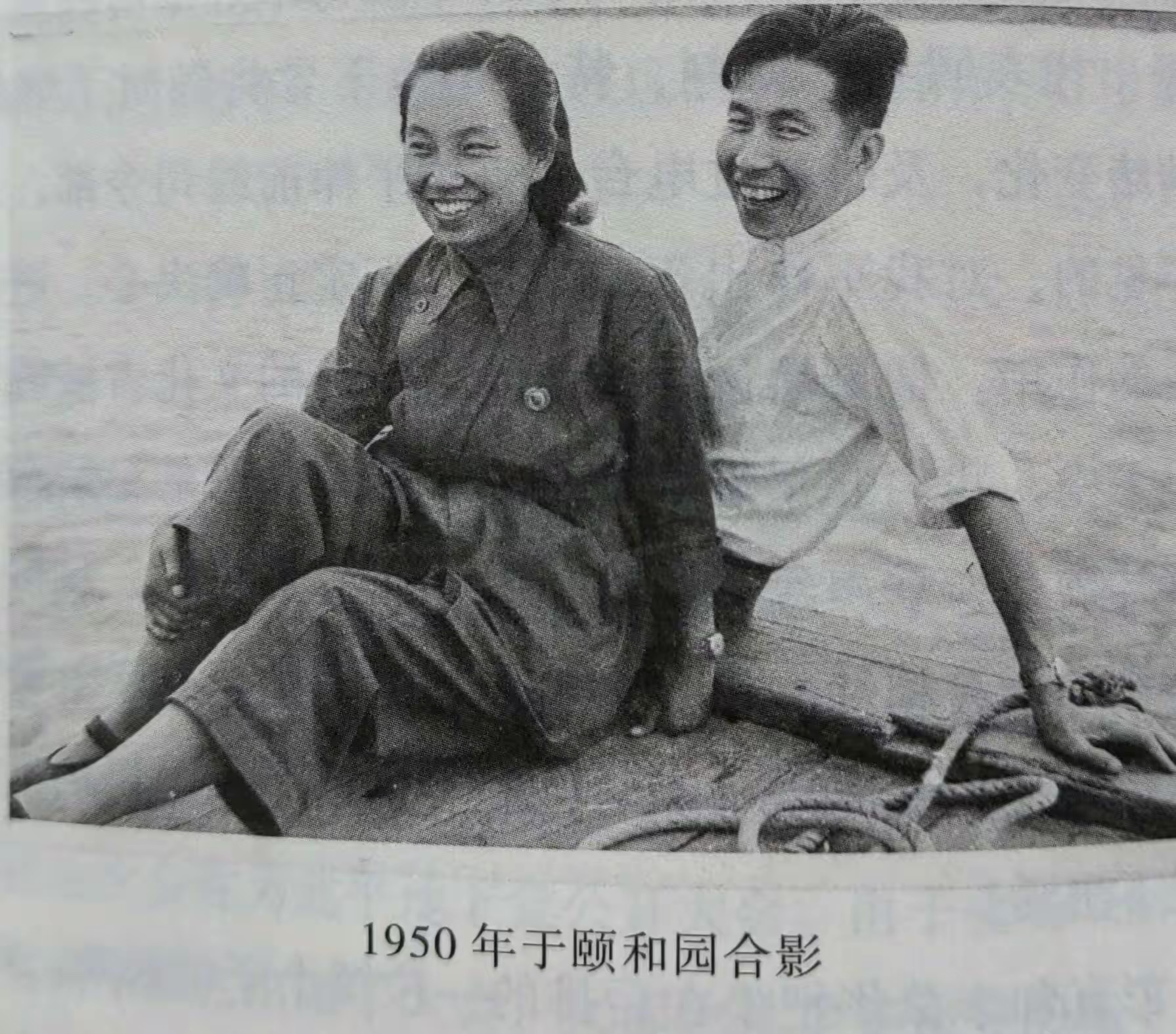
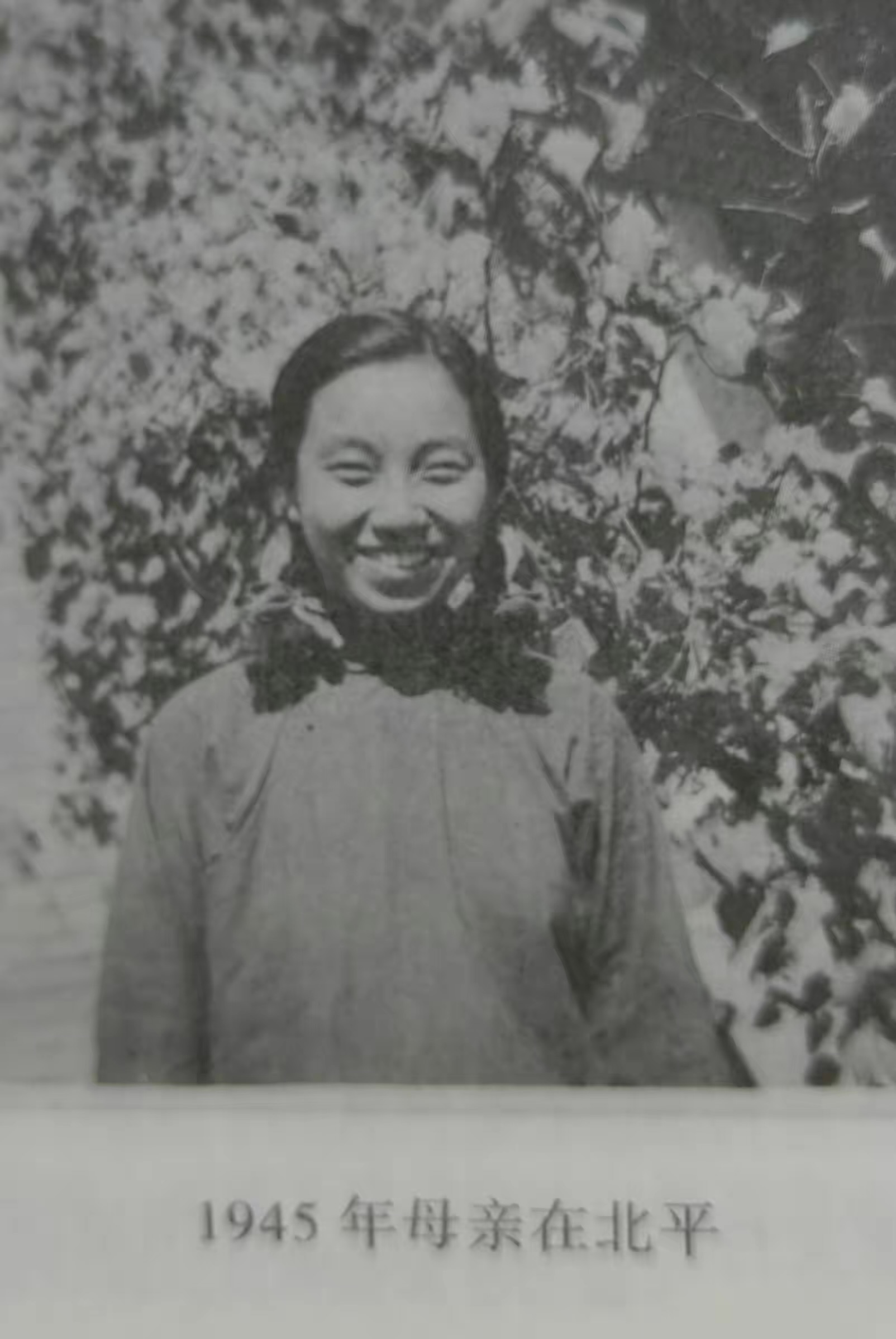
Cui Yueli's wife, Xu Shulin, carried the intelligence and worked as cover. In this way the slightest variation in Fu Zuoyi's movements, his routine, his moods, was within the Party's grasp.
After Fu Zuoyi's successful uprising, the Central leaders praised Cui Yueli's work highly: in the military histories of every era, to understand an enemy's top commander so clearly is exceptionally rare.
In her book, Zhang Xiaoping organizes the account into three chapters — "Super-Persuasion (1, 2, 3)" — more than 40,000 characters of detailed historical material telling the whole process of the effort to bring Fu Zuoyi over.
From spring 1948 to late January 1949 — a full year, three rounds of negotiation, countless dangers — with nerves steady and mind clear, risking everything, Cui Yueli provided reliable, comprehensive, timely intelligence for the Central's decisions, finally persuading the commander of 600,000 troops to abandon resistance, abandon the idea of flight, abandon the idea of suicide, and come over to the light side. This really is a page to enter into the record of history.
Nie Rongzhen's tribute: "That such a world-famous ancient cultural capital could return to the people intact — our Beiping underground Party made the decisive contribution."
Mao Zedong summarized this effort as the "Beiping Model" of united-front work.
Underground Party members are all nameless heroes; Cui Yueli's outstanding achievements are little known. But because of his concealed identity and special mission, we must not forget his contribution. The special meaning of this book lies precisely in restoring the historical truth of Fu Zuoyi's uprising, and in revealing: the great hero behind Beiping's peaceful liberation was none other than Cui Yueli — his name belongs on the monument of the Republic.
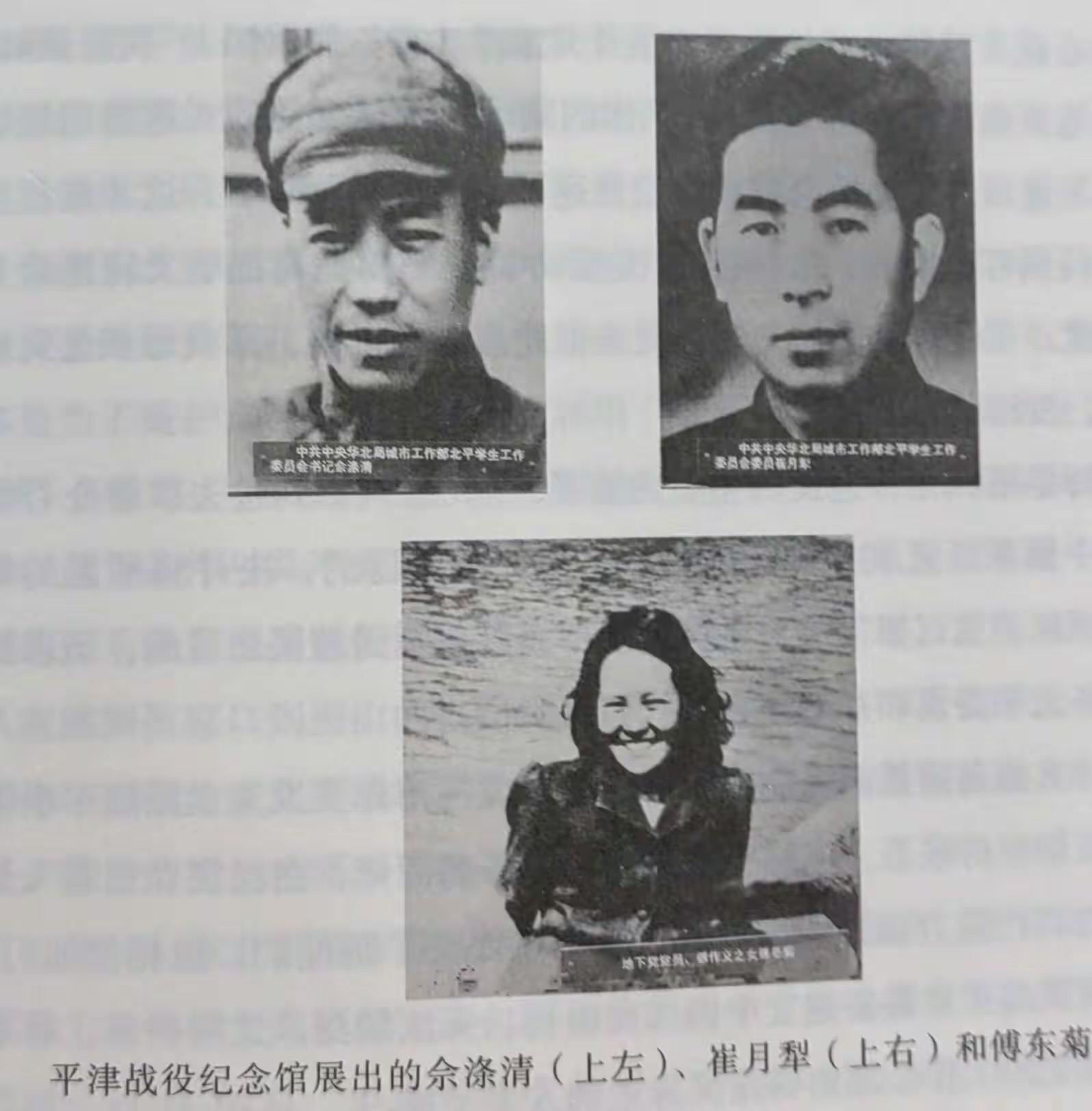
3. Beijing Municipal United Front and Health-Physical-Education — seventeen years of rolling up the sleeves, a golden age
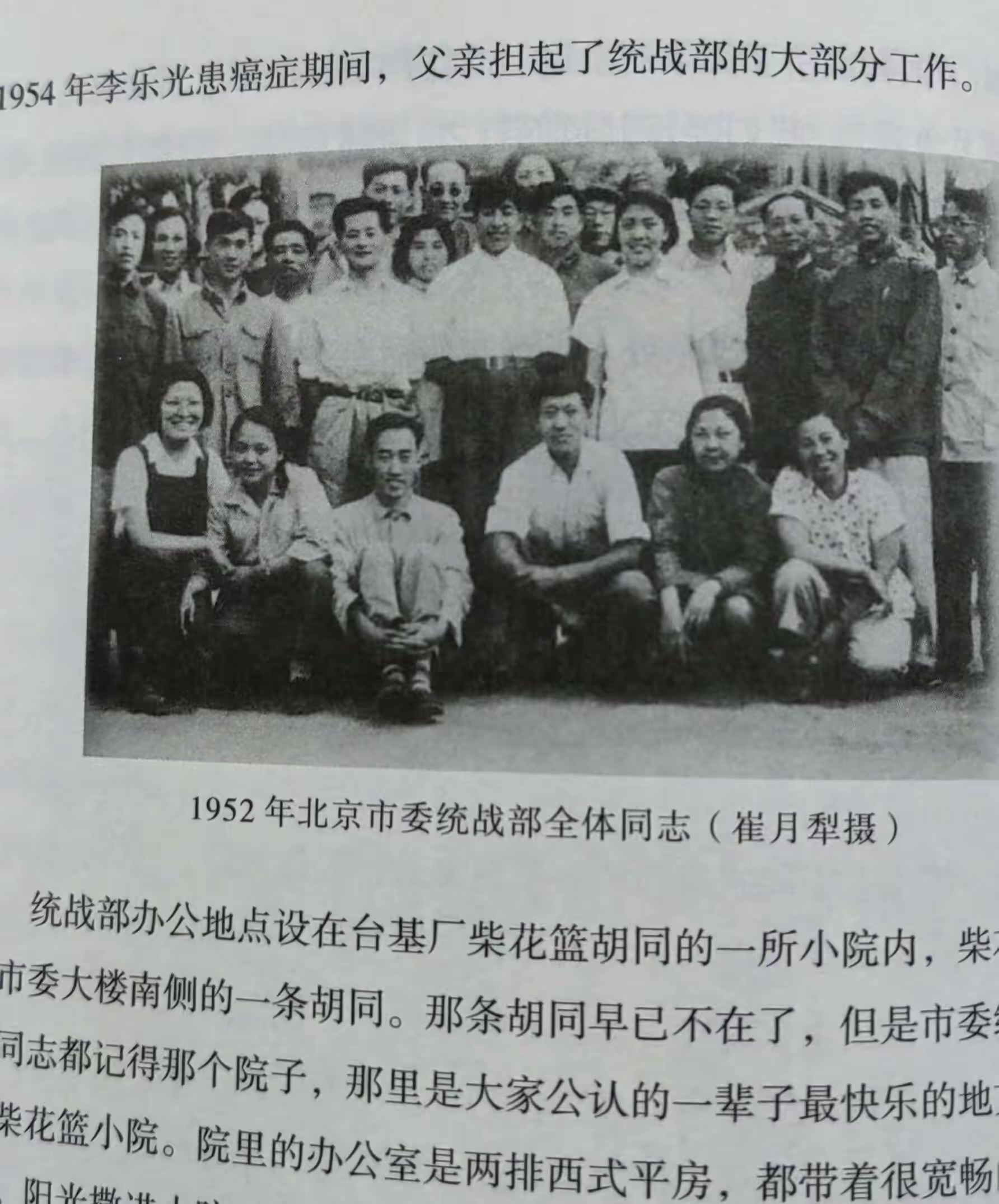
On February 3, 1949, the PLA held the grand entry ceremony into Beijing. On February 4, the Beiping underground Party held a public assembly and declared: "From today the Beiping underground Party is no longer underground — we move to the surface." The hall was electric; the underground members, after so many days and nights of concealment, had at last walked out of the dark, into the light, and could breathe freely in the sun.
Back on the surface, thanks to his wide network, Cui Yueli was handed many responsibilities, which laid the foundation for his later United-Front work. He was only twenty-nine, but his colleagues called him affectionately "Old Cui's place" (Lao Cui na'er). Soon "Old Cui's place" got a proper name: the Municipal Committee's United-Front Office.
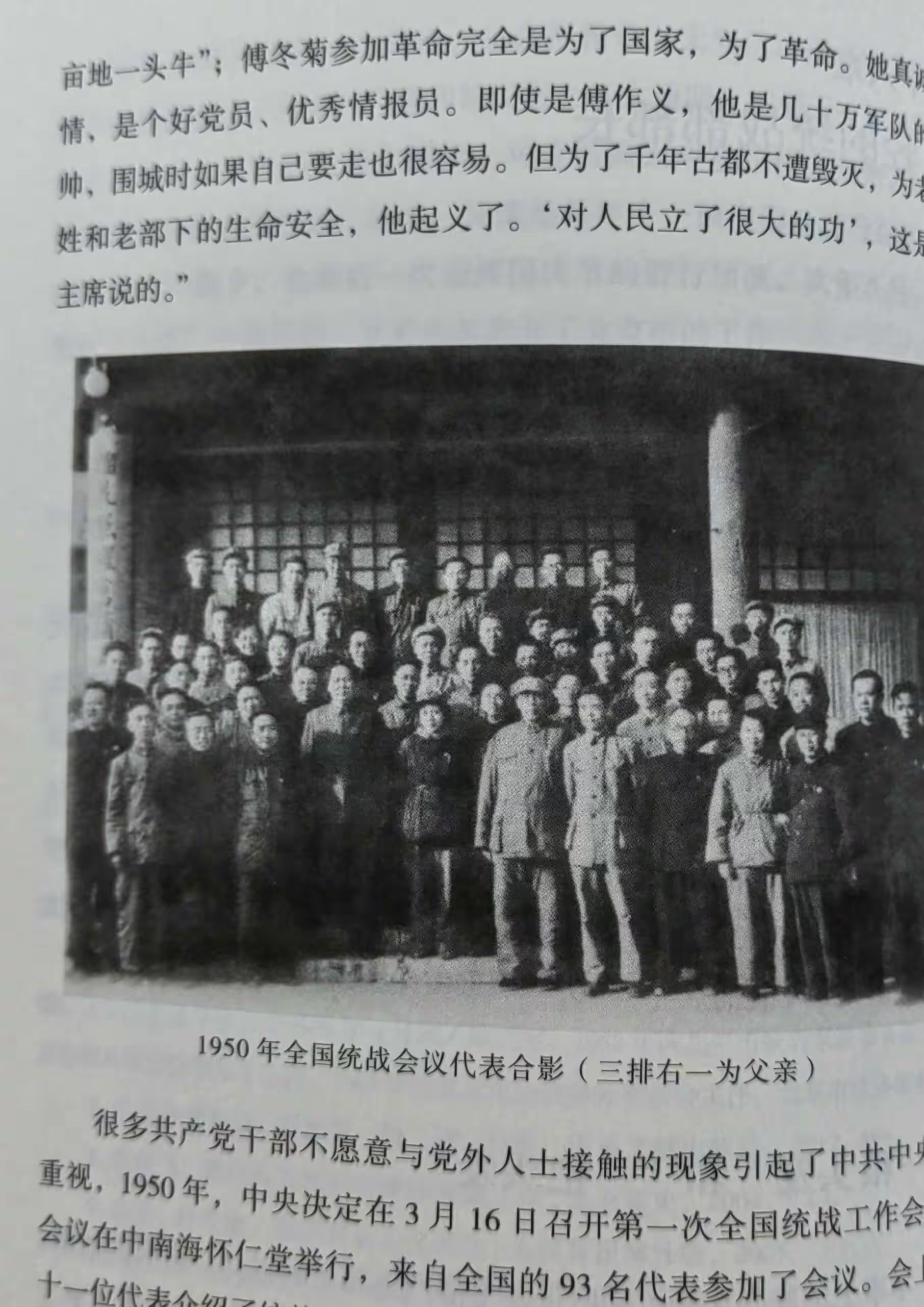
Under Cui Yueli's leadership, the United-Front Office immediately organized three roundtables: the "Beiping Industry-and-Commerce Representatives' Roundtable" and the "Beiping Celebrated Professors and Democratic Persons Roundtable" (60-plus non-Party participants, many of whom went on to become the first CPPCC members in Beijing) — and a third roundtable of lower-society "stall-vendors' representatives."
The three roundtables had unexpected impact: the small United-Front Office opened the best channel for Party and non-Party to find common ground while acknowledging differences — and to work together to build Beiping. Cui Yueli's leadership ability, diligence, and seek-facts-from-reality attitude won wide notice and praise.
In 1950 the United-Front Department was enlarged. Cui Yueli went on to direct it for ten years. His concealed-front experience gave him deep understanding of the meaning of united-front work. He said: "United-front work is letting people with different views exchange them, see what they have to say, consult each other, you give a step, I give a step, I back up one, you back up one — that is united front."
Principled without losing kindness — this was his style at United Front. At the Department on Chaihualan Alley, Taijichang, in Beijing, those who worked by his side and those he protected in special periods all said he was the "coal-in-a-snowstorm" sort of person — "the man in the grey uniform" was "the one who understood me best."
The daughter of Zhang Zizhong — the KMT general who died in the war against Japan — said: "No matter what happens, Cui Yueli is the one person you can most trust."
This trust continued until October 1958, when Cui Yueli was transferred to the post of Director of the Health-Physical-Education Department.
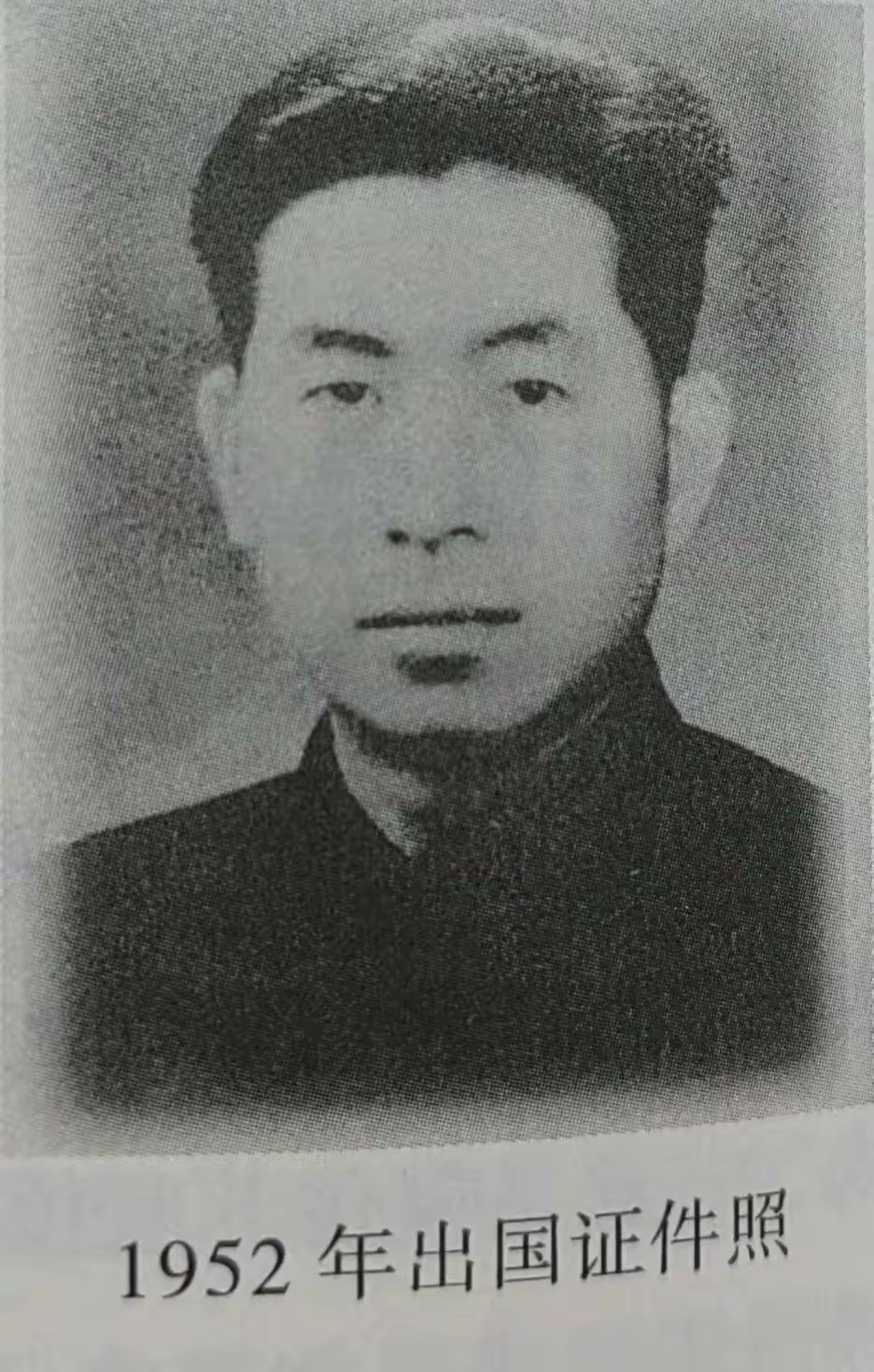
Cui Yueli had long used the cover of the medical profession in his concealed work in Beiping, and had made many friends among doctors who sympathized with the Party. His historical connections to Beiping's medical community made him a natural fit for "Minister of Health."
Once in post, with his characteristic decisive, sincere, and direct style, he quickly won the trust and respect of Beijing's hospital leaders and medical staff. To build Beijing's hospitals into first-rate institutions, Cui Yueli did several things: he put specialists at the center of clinical and research work; he built key departments in general hospitals; he set up Beijing Second Medical College.
During his tenure, the country was in the tail-end of the Anti-Rightist campaign. Cui Yueli held that the key to improving medical quality was to carry out the Party's policy on intellectuals. He decisively rehabilitated the tuberculosis specialist Cui Guchen, and held in deep respect the views of senior specialists such as Lin Qiaozhi and Chen Benzhen; he did what he could to resolve practical difficulties for senior specialists like Wei Yulin.
Cui Yueli helped every general hospital build key departments: Friendship Hospital — gastroenterology, cardiology, urology; Jishuitan — trauma orthopedics, burns; Tongren — ophthalmology, ENT; Xuanwu — neurology and neurosurgery; Chaoyang — occupational disease, respiratory. To bring in top specialists, he used every method — borrow, transfer, temporary-appointment — staffing hospitals and training large numbers of young professionals for Beijing. To resolve the most acute bottleneck — a shortage of doctors — he set about founding Beijing Second Medical College. He brought in Wu Jieping, the celebrated urologist at the central Ministry of Health, as its first president; and paired him with Feng Peizhi, an exceptionally capable Party-cadre, as Party-committee secretary. The friendship between a distinguished specialist and a veteran revolutionary became a celebrated story in medical circles. Beyond this, Beijing also founded its Obstetrics-Gynecology Hospital, Children's Hospital, TCM Hospital, and Infectious Disease Hospital.
In 1963, at age 43, Cui Yueli was elected the youngest Vice-Mayor of Beijing, overseeing health, foreign affairs, hotel services, and the day-to-day work of the People's Committee — and concurrently serving as Director of the Municipal Committee's Physical Education Department.
In 1964 he became a member of the Municipal Standing Committee. This stretch was Cui Yueli's "golden age" of rolling up his sleeves and working hard at the Municipal United Front and Health Departments. The system of Beijing's specialty-strong general hospitals today all rests on the 1960s foundation.
4. Eight years in Qincheng Prison — holding the line of conscience
The times should have made the hero. But Cui Yueli had barely two years on the new post before the great trial of his life. In 1966, an unprecedented storm swept the country. In early July he was, for the first time, denounced as a Beijing Municipal Committee leader; in August he was shipped off to the Changping County concentration class for forced labor and isolation review.
In January 1968, on a "secret-agent" charge, Cui Yueli was imprisoned at Qincheng. The case officer was the Central Special Case Group, which listed him as a key witness in the major cases against Liu Shaoqi, Wang Guangmei, Peng Zhen, Liu Ren, and others.
The background was this. When Cui Yueli did underground work in Beiping, he had rented a front courtyard from a clinic as cover — and so had come to know the landlady, Dong Jieru. Old Mrs. Dong was principled and progressive, and quietly helped the underground Party hide documents and provide cover. Cui Yueli many times, through her, moved urgently-needed medicine to the base areas.
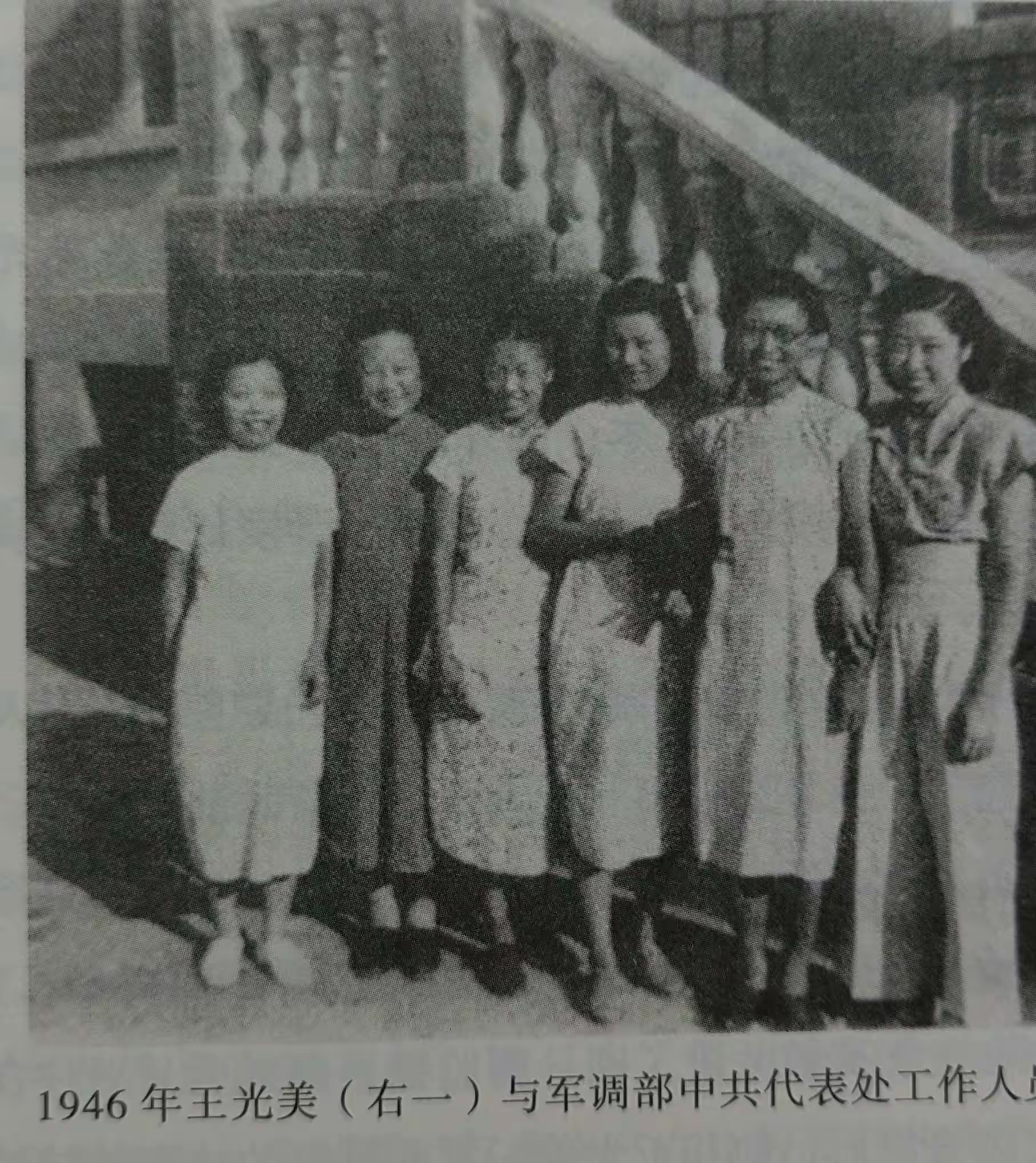
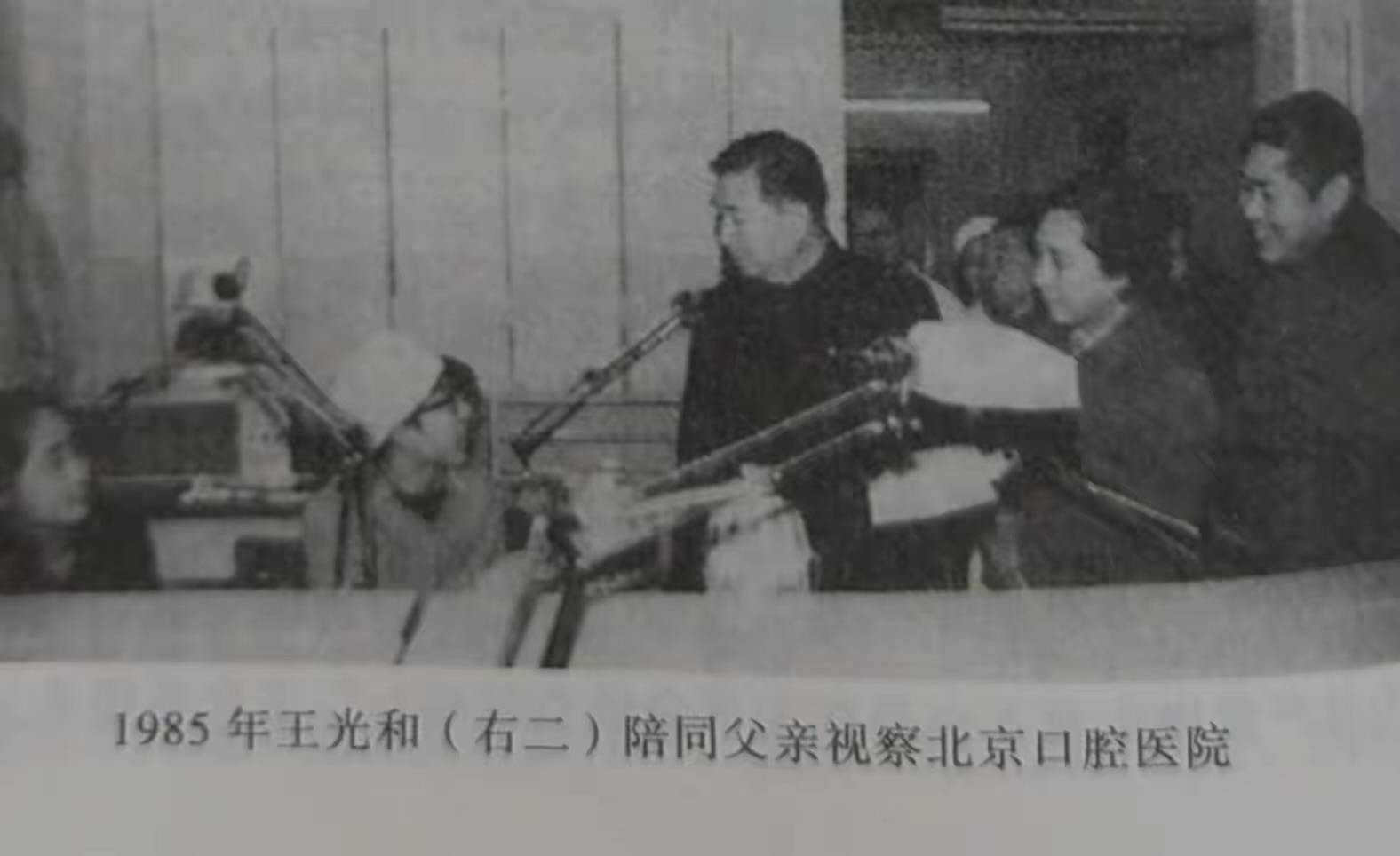
Mrs. Dong had eight children. Wang Guangmei was her seventh daughter. In that period, Cui Yueli became close friends with the younger Wang sisters Guanghe and Guangping. Observing Wang Guangmei — her level of English and her frank, direct nature — Cui Yueli recommended her to the CCP delegation as an English interpreter. Wang Guangmei accepted, and served as interpreter for CCP representative Song Shilun and others, and for Ye Jianying. After the full-scale civil war broke out, the Party decided to send Wang Guangmei to Yan'an; when she told her mother Dong Jieru, the old woman said: "Go; the liberated area is good, the Communist Party is good."
So we can say: Cui Yueli was the one who led Wang Guangmei onto the road of revolution. He held Old Mrs. Dong in great respect, too — her children Guangmei, Guanghe, Guangping, and Guangying all joined the revolution — and he cherished the help this family had given the underground Party.
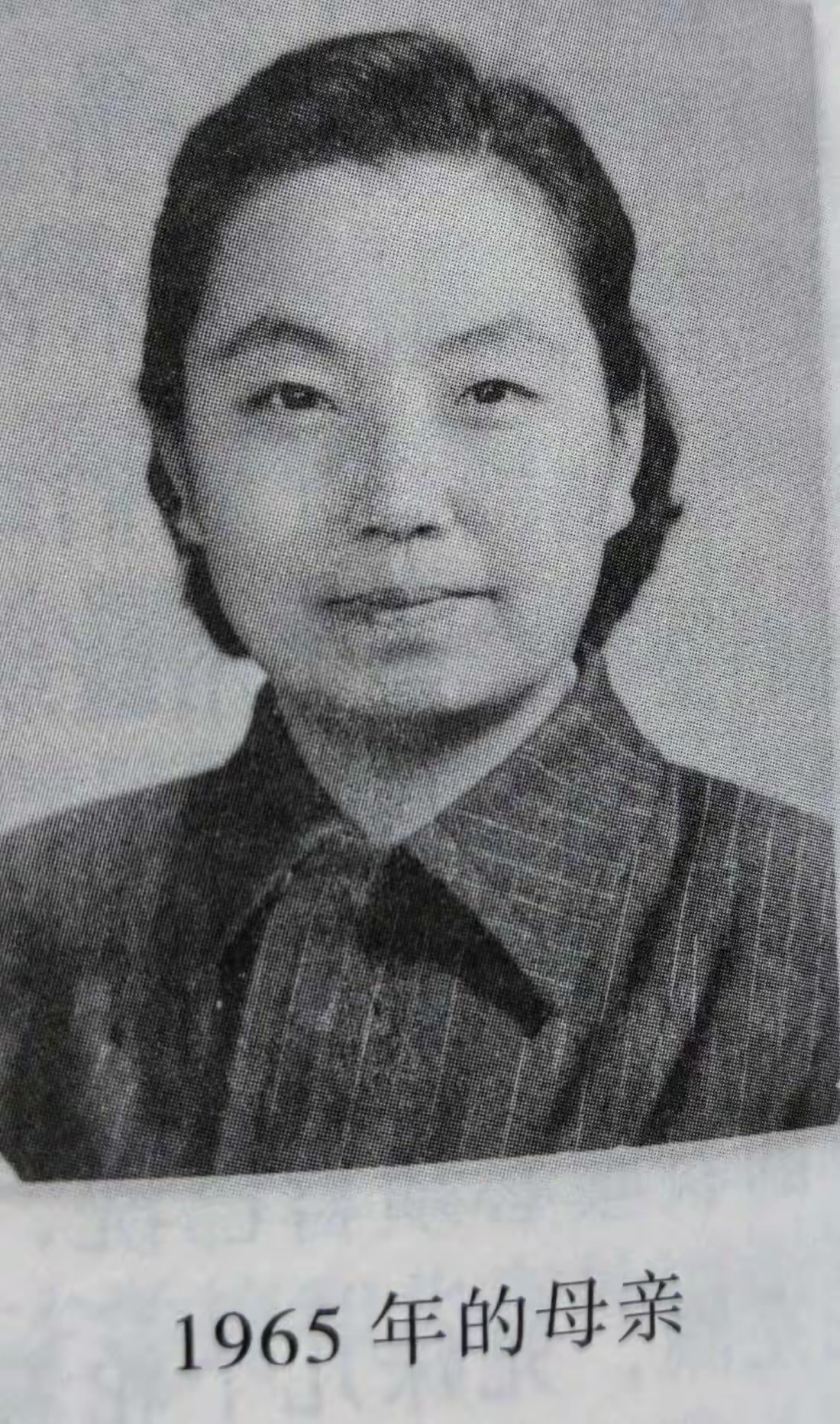
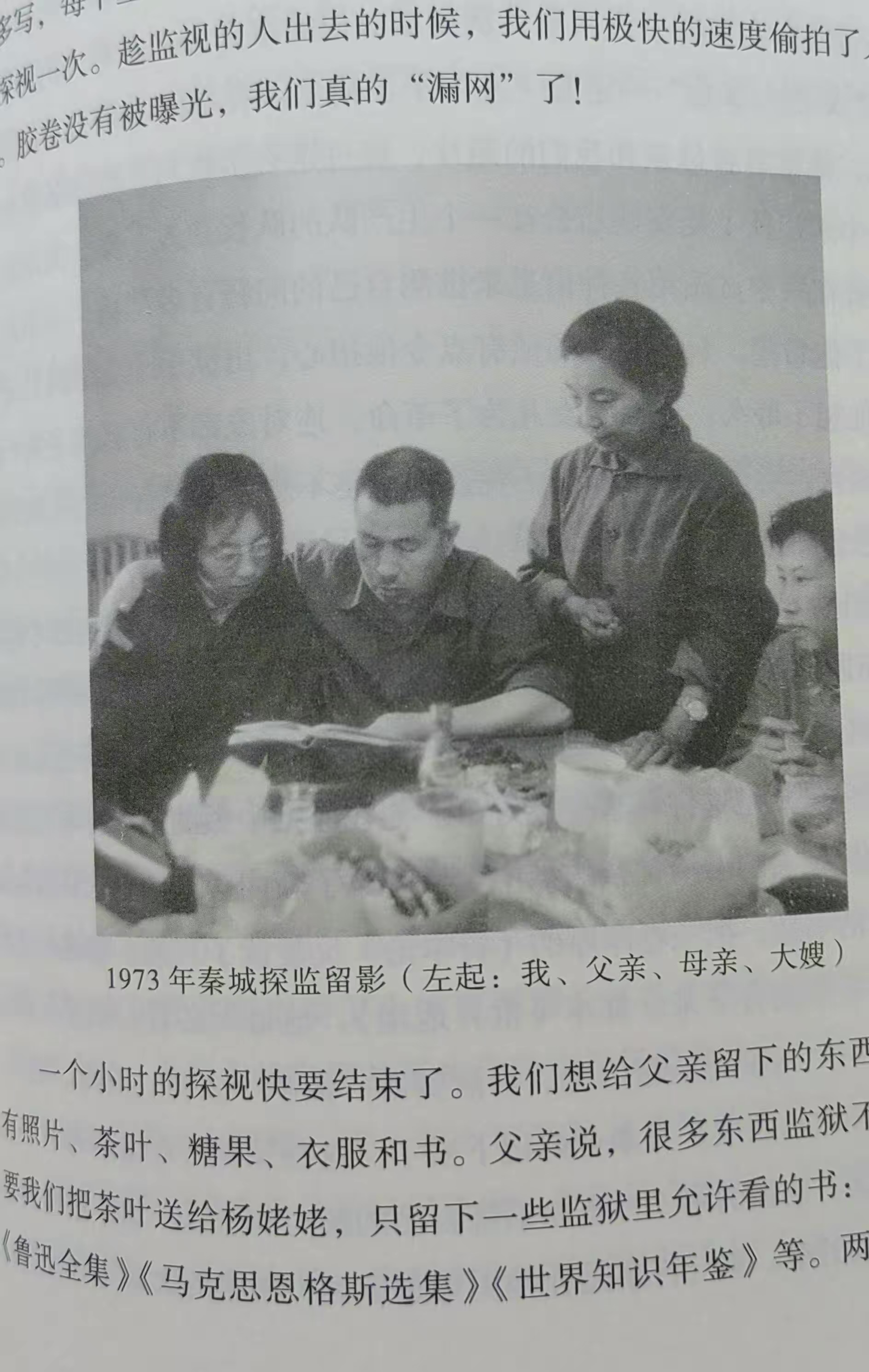
Because of this history, during the Cultural Revolution, inside the prison, Cui Yueli — as a major case — had his hands cuffed behind his back every day for four full years. Ordinary people cannot imagine the pain and the toll. Worse: he who had never been arrested in his underground days was now in a prison run by his own side. One can only guess at the turmoil inside him. He was pressed to confess that Wang Guangmei was a secret agent. But through the interrogation, through the beatings, Cui Yueli held a single line: I will not speak falsely. He held the bottom line of conscience, and the humanity in him shone out in that dark cell.
Cui Yueli was imprisoned at Qincheng for eight years. The long iron-bar life gave him time to think. He went over and summarized his pre-prison experiences — events of war and peace — again and again.
"What has really happened in China? Why have so many people become counter-revolutionaries?" He concluded: "The Cultural Revolution must have been leftist. It is wrong."
The first thing Cui Yueli did in prison was read seriously. The three thick volumes of Das Kapital he read through three times; every day he read World Geography, and memorized the geography, natural resources, economy, and political system of all 124 countries. That knowledge greatly helped his later work. The second thing was to exercise his resolve and his toughness — to dare to uphold what is right, however hard the hardship; to keep his bearing bright and magnanimous; to hold the line of conscience; to not waver in purpose.
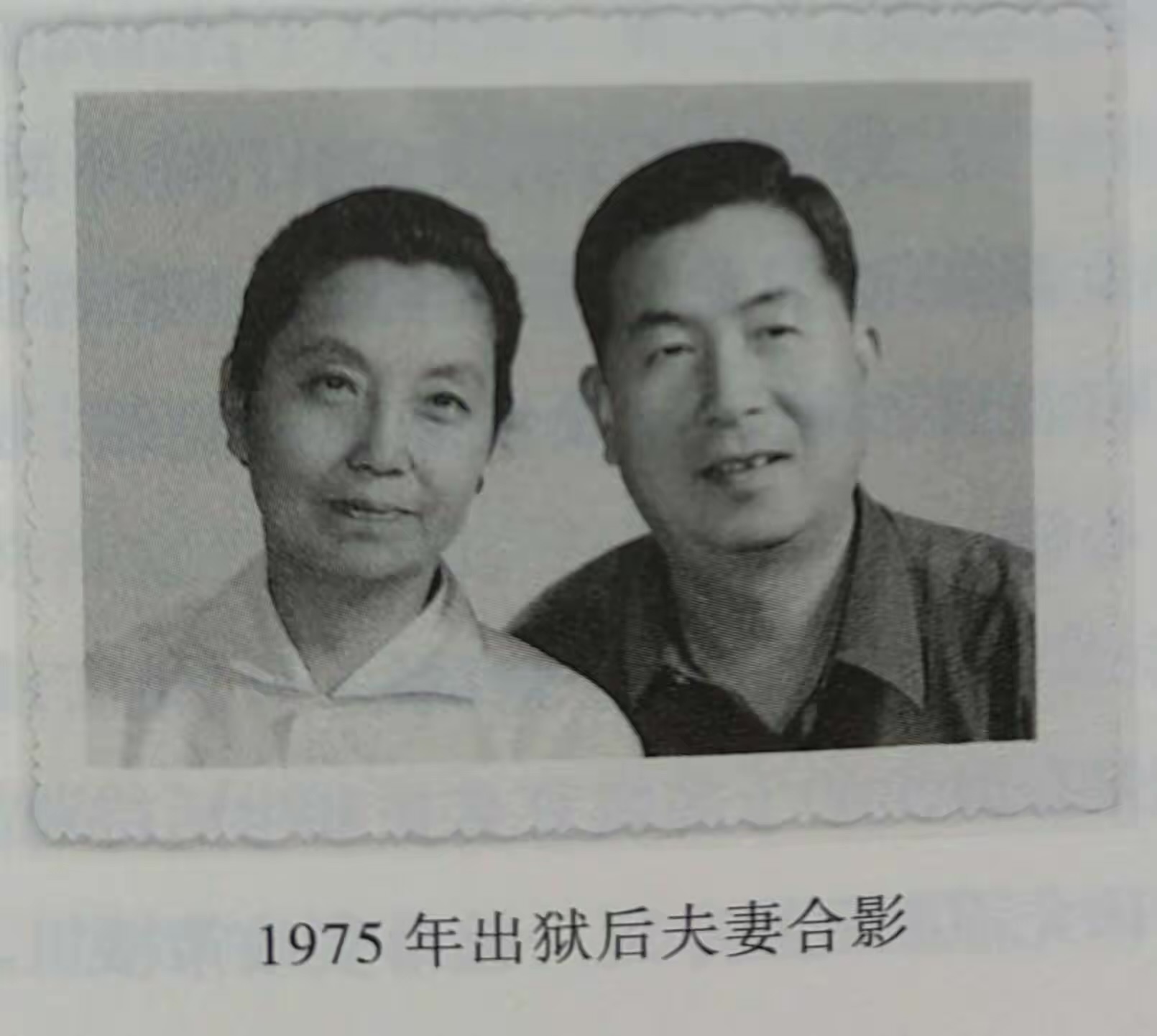
On resolve and on optimism, Cui Yueli made it through the first five years at Qincheng; the last three years he struggled through a near-psychiatric torment between hope and despair. In the spring of 1975, holding to his firm belief — "I am most loyal to the Party and to the people" — Cui Yueli at last walked out of Qincheng back into the living world.
The author uses three chapters to describe in detail how Cui Yueli and a large group of senior Party leaders were illegally imprisoned at Qincheng for eight years — long stretches of neglect, no interrogation and no chance to defend themselves, psychological torment; or severe interrogation, handcuffs and chains, beatings, physical torture — leading many to die of injustice. The account sharply reveals the unprecedented disaster the Cultural Revolution brought to individuals, families, the state, and the whole people.
The book's historical materials are comprehensive and accurate — facts speak for themselves; credibility is strong. The author places Cui Yueli in the full backdrop of the Cultural Revolution to test and illuminate him. This is both a factual record of Cui Yueli's personal experience of the period, and — from multiple angles — a compressed history that very much represents the shared experience of cadres at every level. That is one of the markers that make this book unreplicatable and uniquely weighty.
5. Nine years at full tilt, twenty years of holding the line, reviving Chinese medicine — "a singular figure in the hall of Qi-Huang"
"Green hills cannot block, after all the east-flowing river."
In 1978, restored to work, Cui Yueli was appointed Vice-Minister of Health and concurrently head of the Ministry's Discipline-Inspection Group. He did not let his persecution in the Cultural Revolution weaken his Communist conviction.
At 58, leaning on a cane, Cui Yueli began traveling both sides of the Yangtze. From Guangzhou to the Northeast, from grassroots to countryside — doing research, working to restore the order of higher medical education, looking for a model of medical education that fit China. He also went abroad to see the world, investigating medical education in the United States, Australia, Canada, Britain, Germany, and northern Europe, hoping to draw from their experience — especially to see what reforms developed countries had made in their medical-education systems — and to find a higher-medical-education road suited to China's conditions.
After this home-and-abroad survey, Cui Yueli chaired, in Guangzhou, the first post-Cultural-Revolution "Ministry-Affiliated Higher-Medical Education" meeting, and then the "National Higher Medical Deans" conference. Bold, decisive, corrective — he loosened the reins and delegated authority to the medical-higher-education institutions, supported diverse modes of schooling, and trained talent at every level.
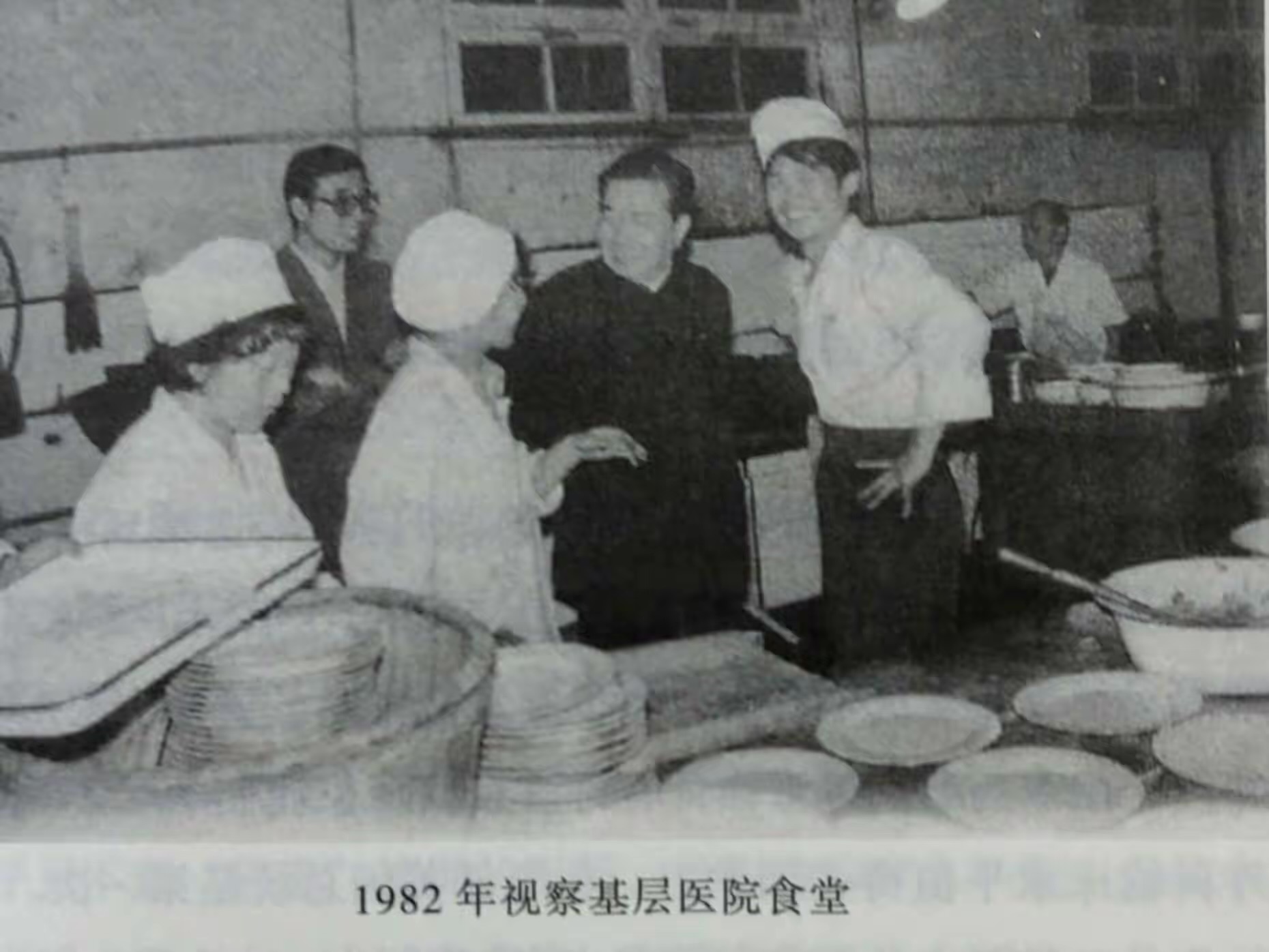
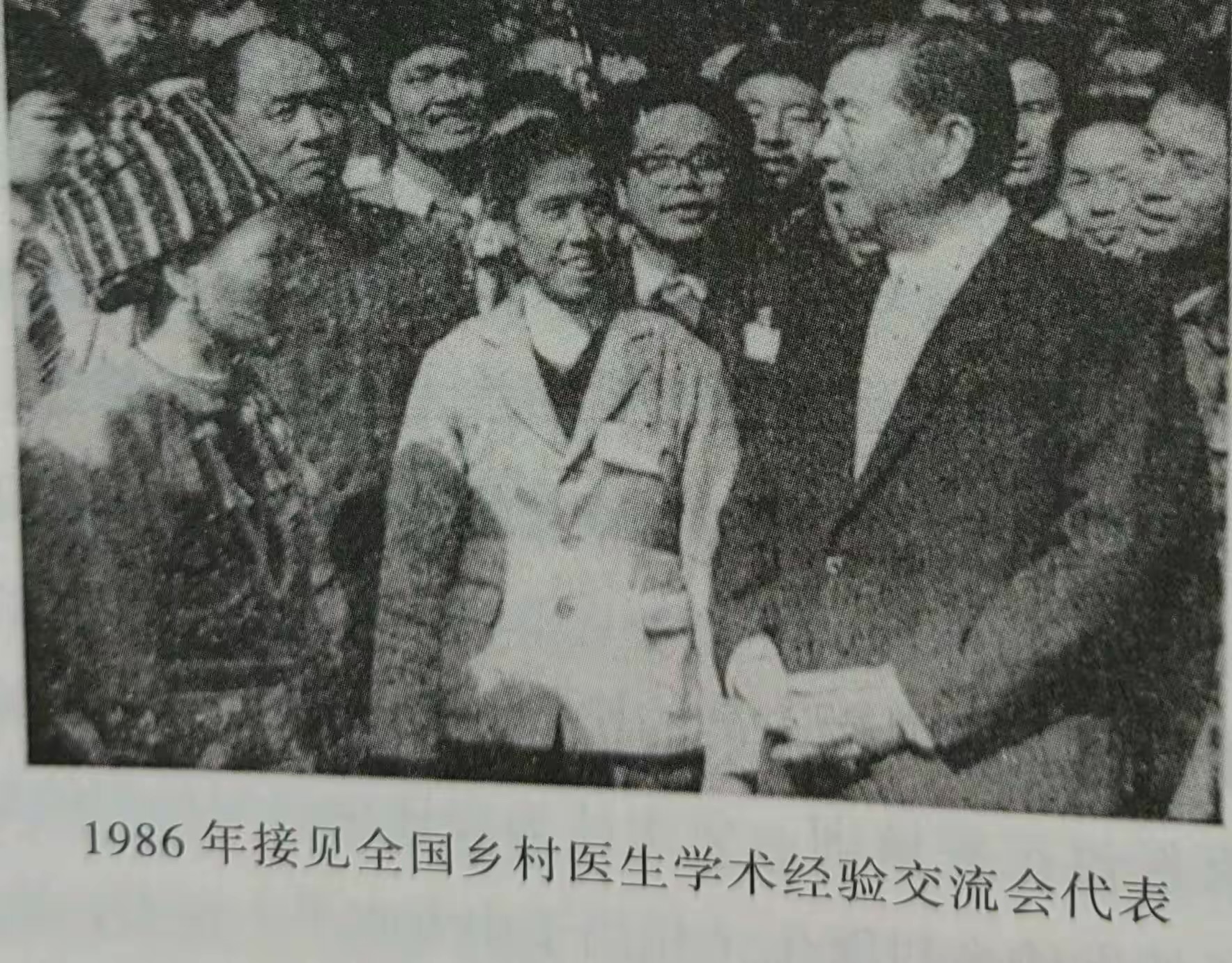
In 1982 Cui Yueli was promoted to Minister of Health. On the second day of Lunar New Year, he went to rural Shunyi, on Beijing's outskirts, to plan a "Beijing Medical College" that would keep medical talent in the countryside. Under his coordination and encouragement, Beijing Medical College built a campus of 80 mu and more than 20,000 square metres of teaching space, recruited 49 faculty and various management staff, and was soon ready to take in students at the college level. Beijing Medical College was the first medical college in China whose explicit aim was to train rural doctors — Cui Yueli's "experimental field" for rural medical talent. It lived up to its promise, becoming the main supplier of medical talent for Beijing's suburban counties — and its greatest success lay in the fact that the graduates stayed in the countryside.
"The history of Beijing Medical College's development is the history of Minister Cui Yueli's seeking-facts-from-reality and his noble, people-centered character." This was the practice of Cui Yueli as Minister of Health, opening the road of health reform — his most valuable gift to the rural grassroots.
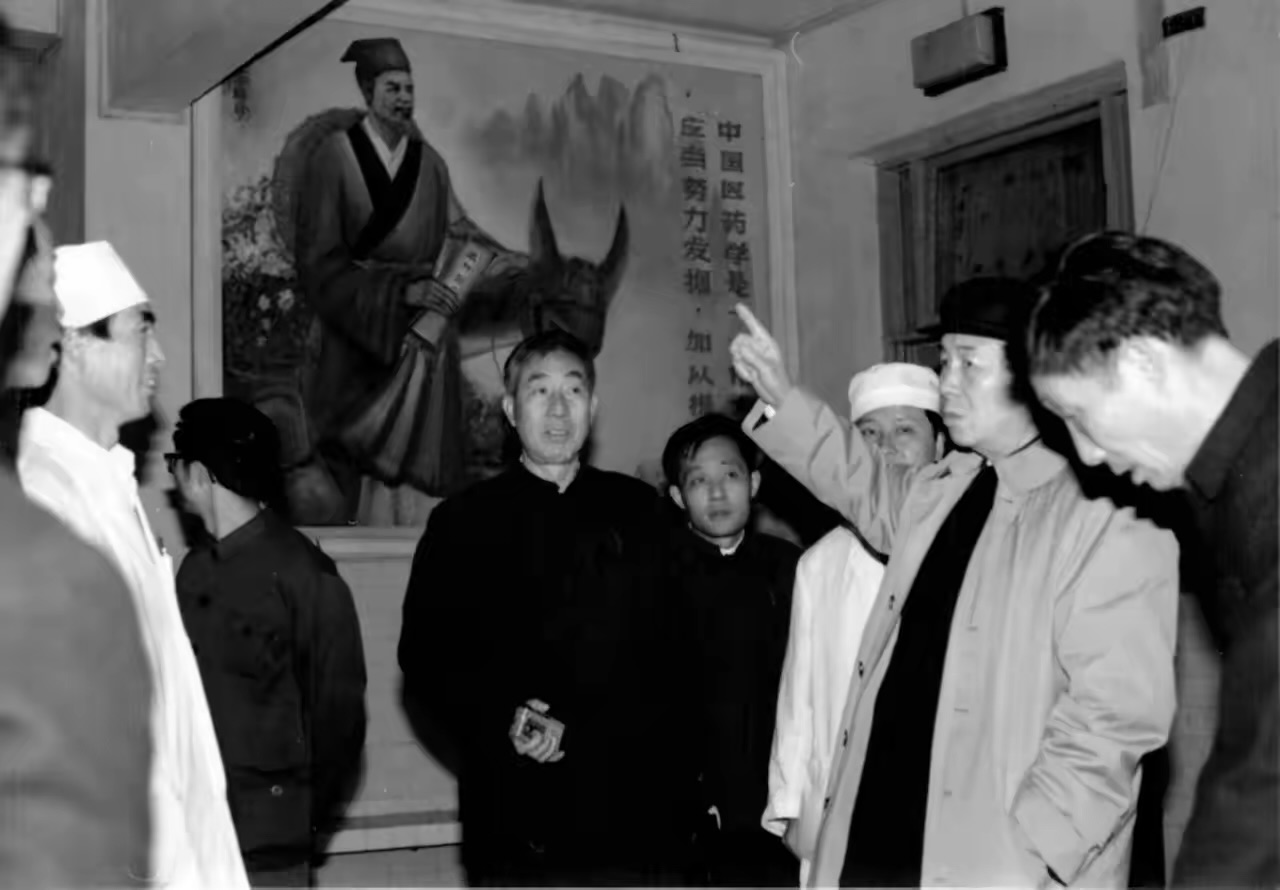
Chairman Mao said: "Chinese medicine and pharmacy are a great treasury; they should be earnestly mined and developed to a higher level."
How to keep this millennium-old medical inheritance from being discarded, from being Westernized, and to bring it to flourish — from 1978, when Cui Yueli accepted the charge to "manage Chinese medicine," to his 1987 retirement, across nine years he led the Chinese-medicine enterprise and left an unforgettable, richly-inked chapter in TCM history.
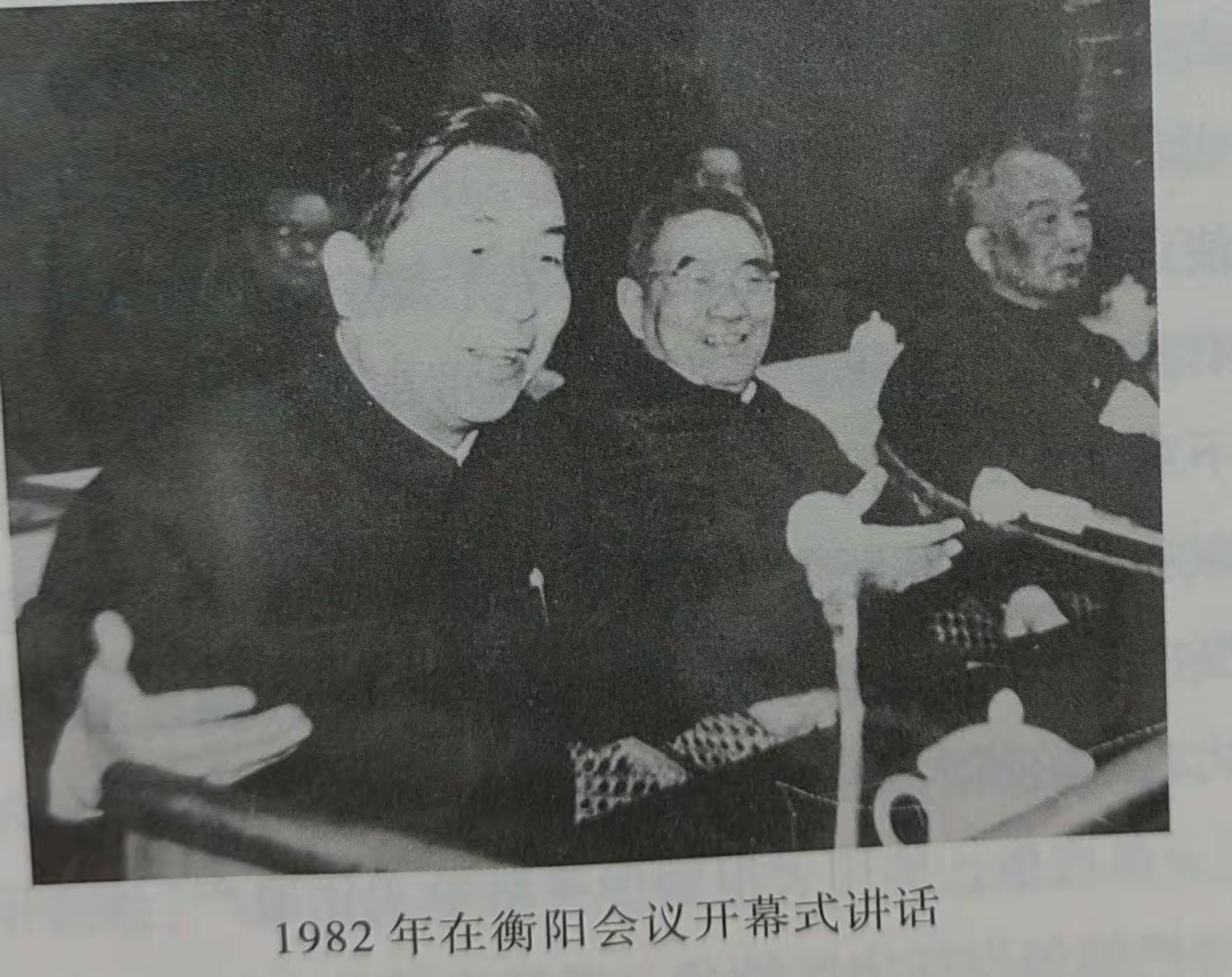
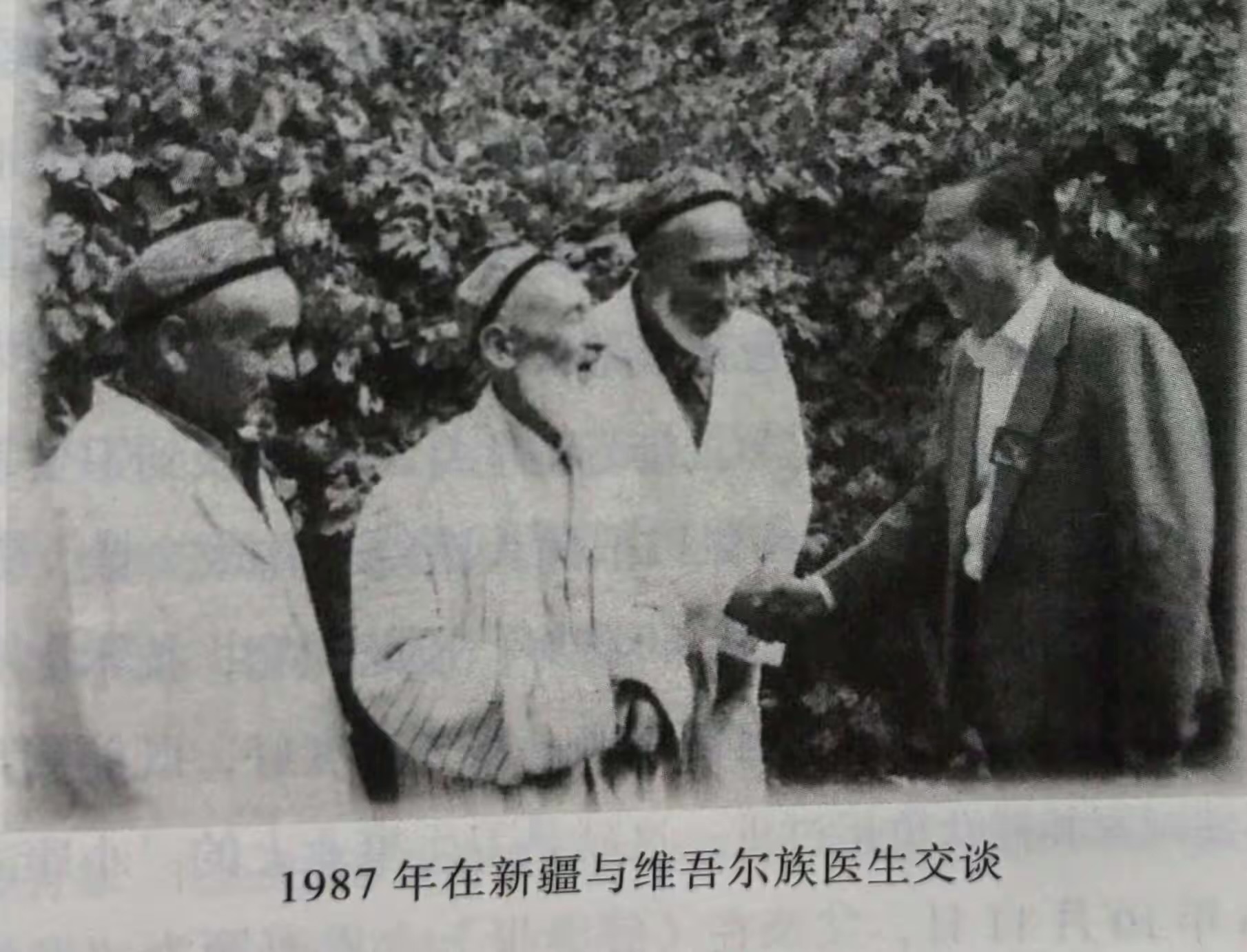
To understand the state of Chinese medicine and the chokepoints holding it back, Cui Yueli walked through 27 provinces and cities, his tracks reaching remote rural areas. He found two basic facts about Chinese medicine and two chokepoints on its development, and drew the conclusion: "China's health enterprise cannot do without Chinese medicine. We must revive it." So he drafted the milestone turning-point document, held the 1982 national TCM-hospitals-and-higher-education conference — the Hengyang Conference — which pointed the direction for China's health enterprise and declared clearly: "Revive Chinese Medicine."
Alongside correcting the direction of TCM hospitals, Cui Yueli put still more strength into "liberating" senior TCM physicians — "building temples" and bringing back the deities. He had the nation's celebrated TCM physicians awarded the title of professor, and allowed father-son-line transmission so that senior physicians' children could be trained — a policy warmly received. Cui Yueli personally went hunting for "rice" — using his prestige inside and outside the Party, his practical bearing, and his nerve — and secured more than ¥100 million. He became the Minister who won the most State Council support for Chinese medicine.
Cui Yueli's push for "Chinese medicine and Western medicine on equal footing" brought about the TCM legislation and the establishment of the State Administration of TCM — through which his various policy advances could be realized.
Across twenty years of steady work, Cui Yueli corrected the direction of the Chinese-medicine enterprise; he completed the work of changing Chinese medicine's subordinate position in policy and in organization; he prepared Chinese medicine for long-run development, and gave it the capacity to walk the road of autonomous growth on its own laws. This transformation was later called "Chinese medicine's second spring" within the field.
The assessment of Cui Yueli's contribution to Chinese medicine: "No matter how Chinese medicine may develop at home or abroad, through whatever difficulty, success, failure, Cui Yueli's name will always come back into people's minds. That is what 'enduring' means."
Cui Yueli himself was not a Chinese-medicine physician — yet he is called "a singular figure in the hall of Qi-Huang."
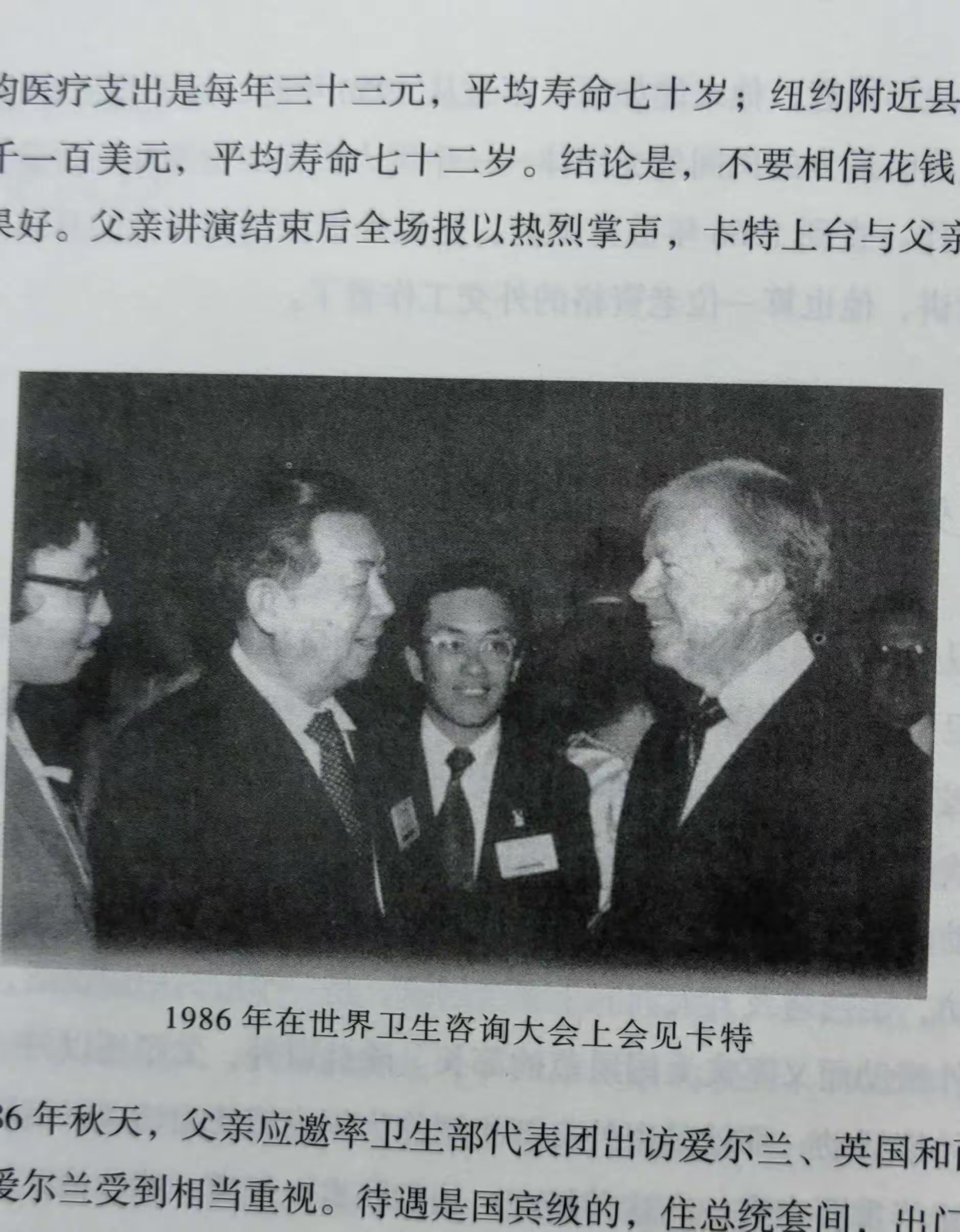
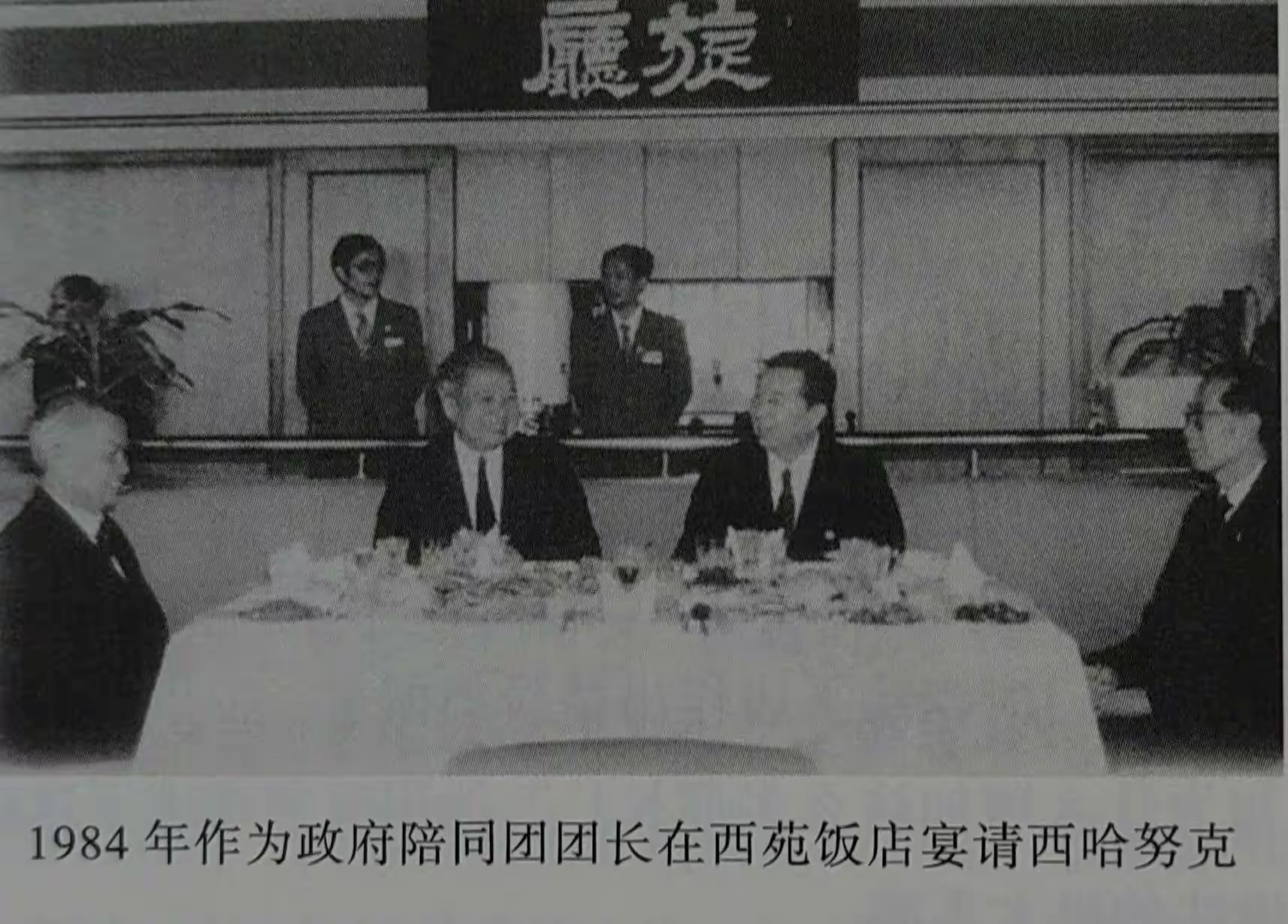
---
Closing the book and sitting with it, one finds the pages not yet out of the heart. The subject Cui Yueli rises from the page, alive. The common reader knows the great CCP figures; knows the nearby, down-to-earth county Party secretary example — and does not know there is also this kind of outstanding Republic-official figure.
The book shows that in our country there are many Cui-Yueli-like good officials who carry great weight. In wartime they were outstanding revolutionaries; in the era of building socialism they were outstanding leaders in every field. Into the new century, their bright-hearted, bowed-down-until-death, name-and-profit-set-aside spirit is a firm foundation-stone guiding our nation's vigorous advance toward the China Dream. With their lives of endless struggle they have raised monument after monument to the Republic that will not decay.
In recent years, at home and abroad, there has been a rising tide of autobiography, memoir, and family history. A large share of these works are by women authors — and of the children writing biographies of their fathers, most are daughters. Perhaps this is because women's feeling is more careful, their perception sharper, their thinking livelier, their experience richer. Reading My Father Cui Yueli carefully, the work is without doubt a success. That a non-professional writer could produce an essay so moving — a book that makes one cheer, that brings tears, that pulls sighs — with fluent language and vivid writing, with well-crafted stories that strike the heart — clearly took no small work. But the book's success is more than that. The author did not just write out one great father; she wrote out an era of shifting winds, an age of turbulence yet of ceaseless forward-rolling. The author surely knew: when you write the story of one person, at some point that person's fate crosses with the development of society; at some point, the fate of the individual intersects with the fate of the era. Catch that intersection in writing — and though you are writing about an individual, you have also written about society and about the age. That is a great story — the story of seas becoming mulberry fields.
It is like a flower. The flower is yours — planted at your door, or at the road outside your home. Though it is yours, it exceeds you: when you catch its scent, everyone who walks by catches it too.
Let us all gather the scent of this flower, keep the traces of the era, and record these extraordinary great figures. In readers' hearts they will always stand as monuments. That is precisely the power of this book.
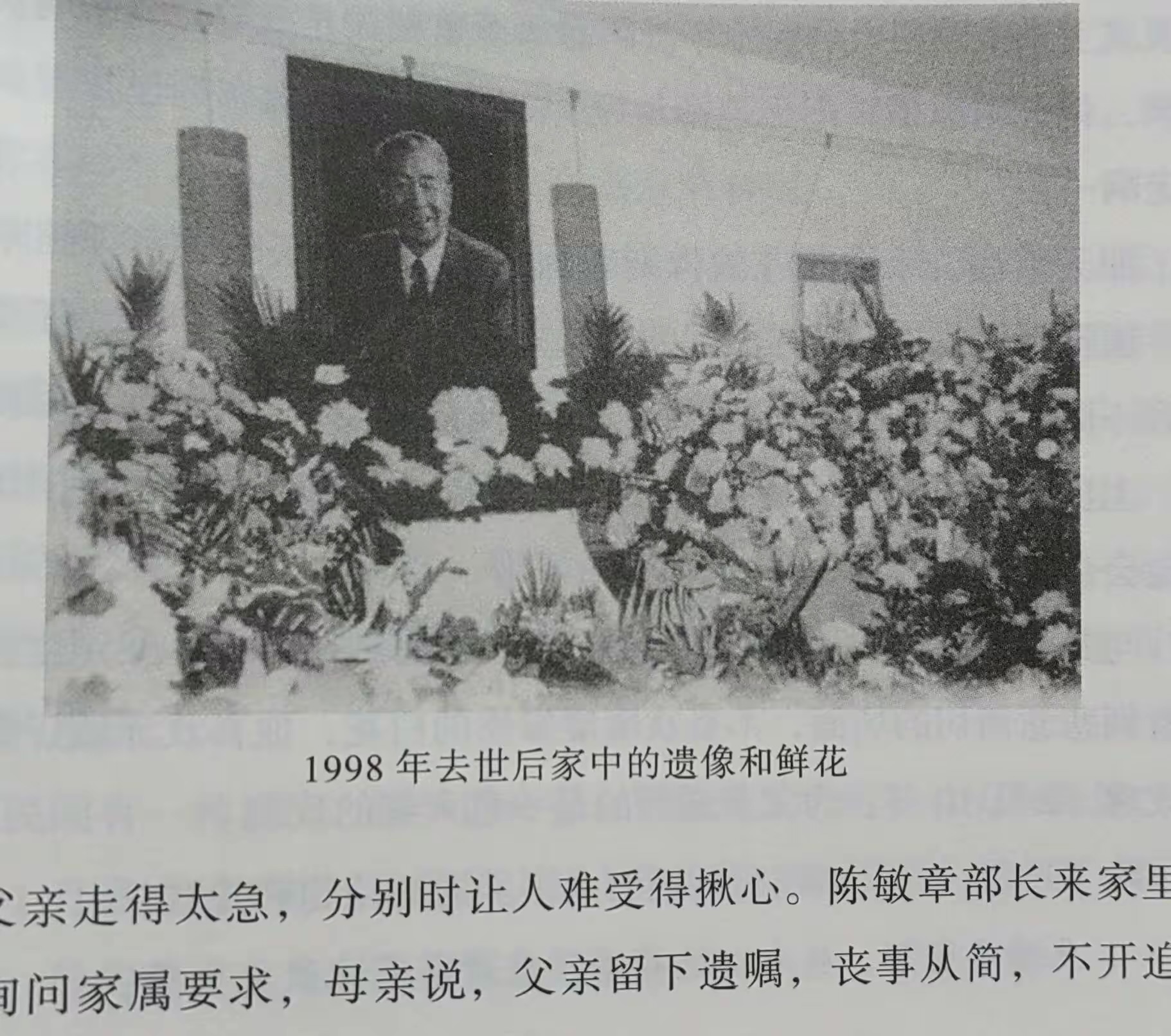
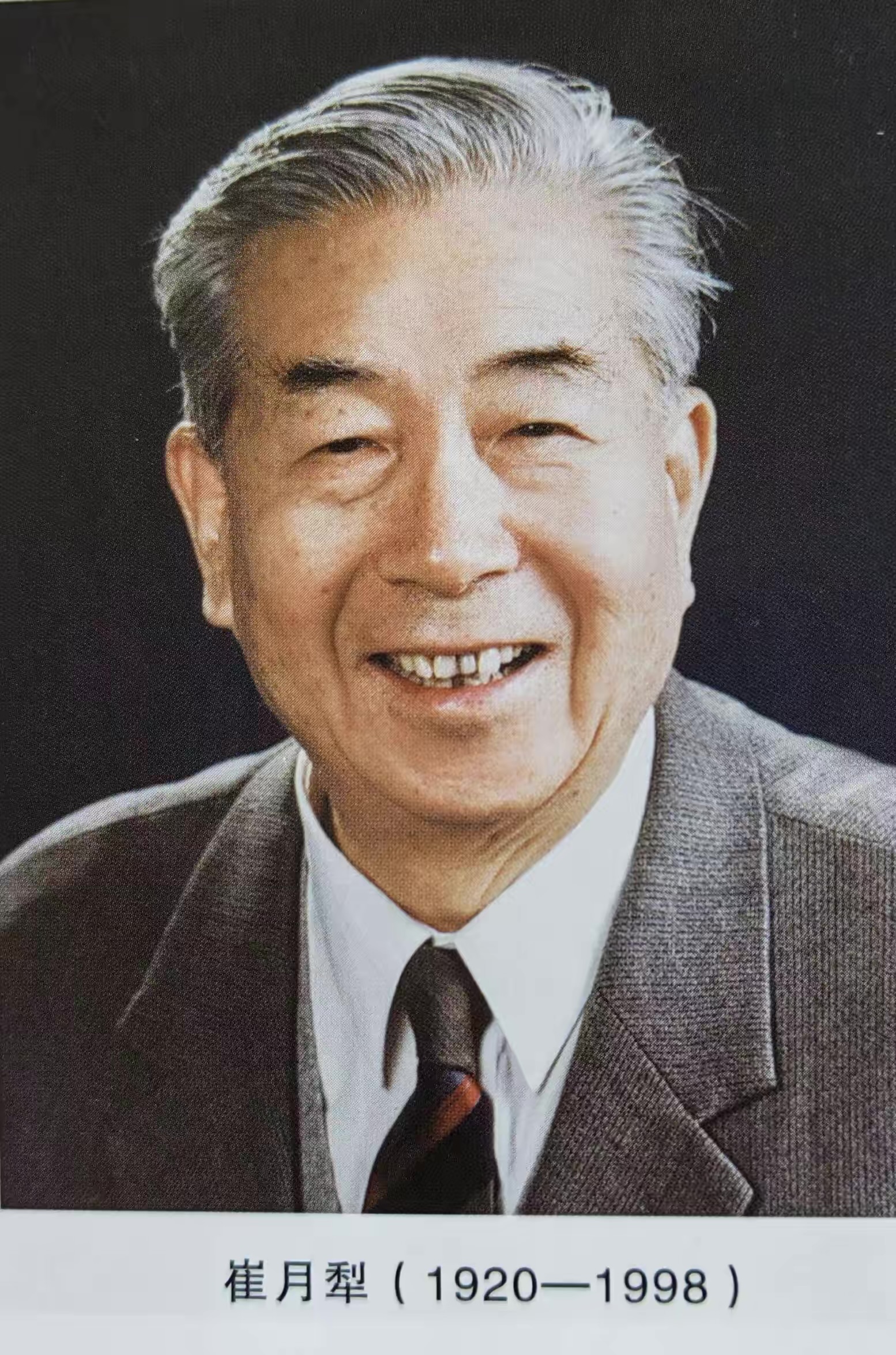
About the essay's author
Du Jianying. From Lin County, Shanxi Province. University-level education, senior secondary-school teacher.
Member of the Sichuan Provincial Literature and Art Communication Promotion Association; member of the Sichuan Provincial Essay Society; member of the Chengdu Jinniu District Writers' Association; member of the Chengdu Tianhua Literary Society.
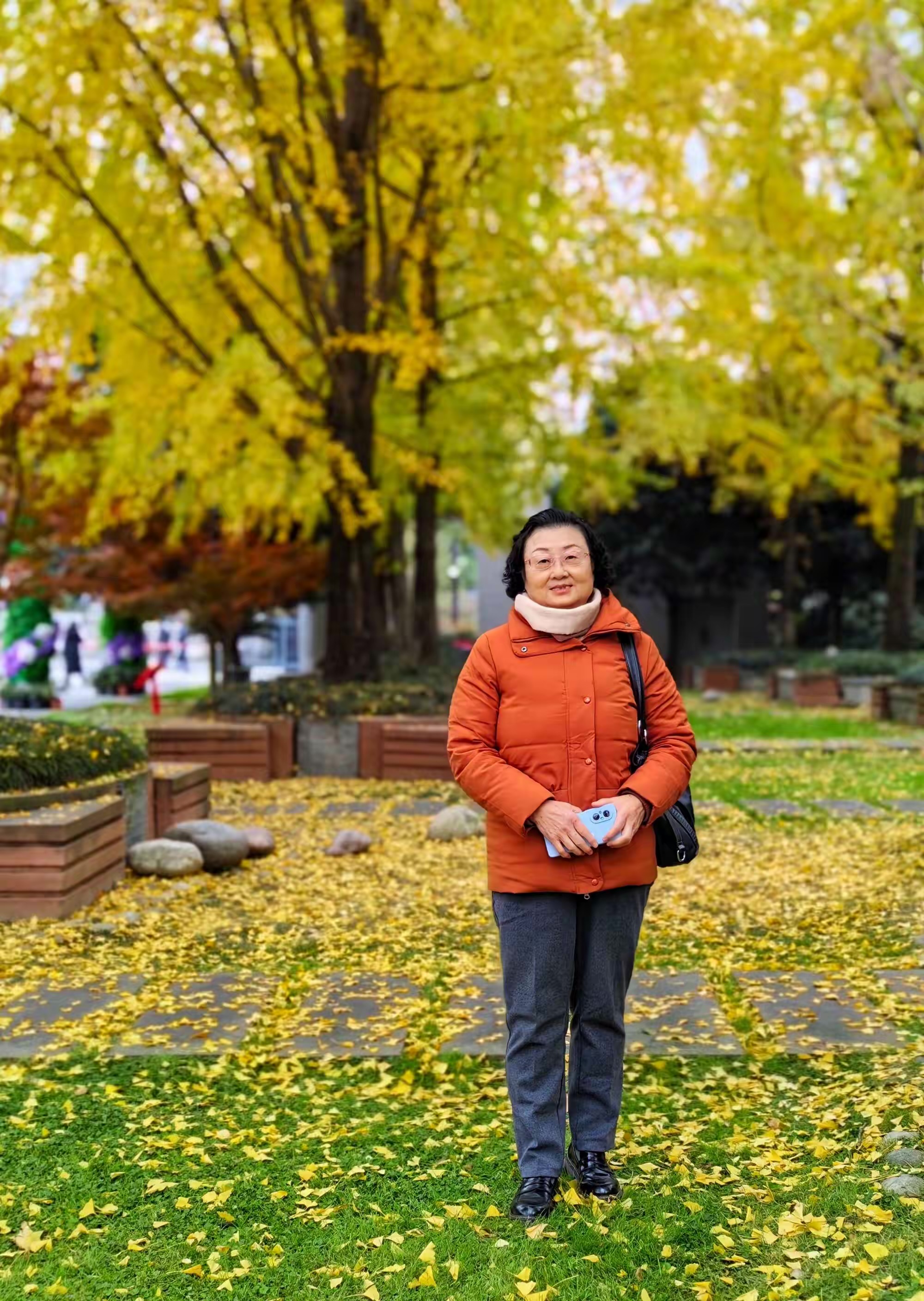
About the book's author
Zhang Xiaoping, born 1949, graduated in 1966 from the junior-high program of Beijing Normal University Girls' School. Sent down to Inner Mongolia during the Cultural Revolution; later an internist in Beijing. In 1988 went to the United States at her own expense; earned a master's in public health at the University of Hawai'i. In 1993, co-founded a biotechnology company in Seattle. Retired 2015. This is her first book.
Six years underground, he knocked open the gate of Beiping's peace.
Eight years at Qincheng, he held the line of conscience.
Nine years at full tilt, he opened the road of health reform.
Twenty years of steady work, he corrected the direction of the TCM enterprise.
> — That is my father, Cui Yueli.
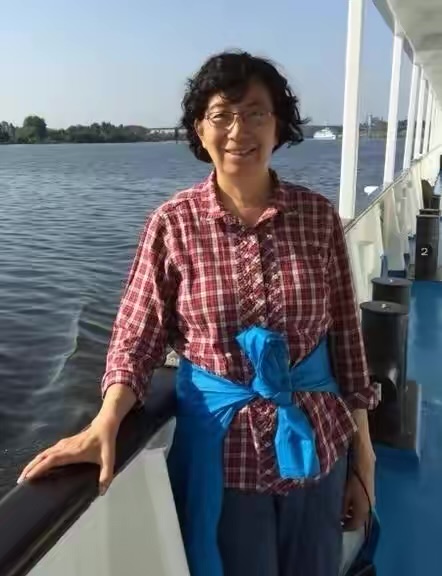
Brief life of Cui Yueli
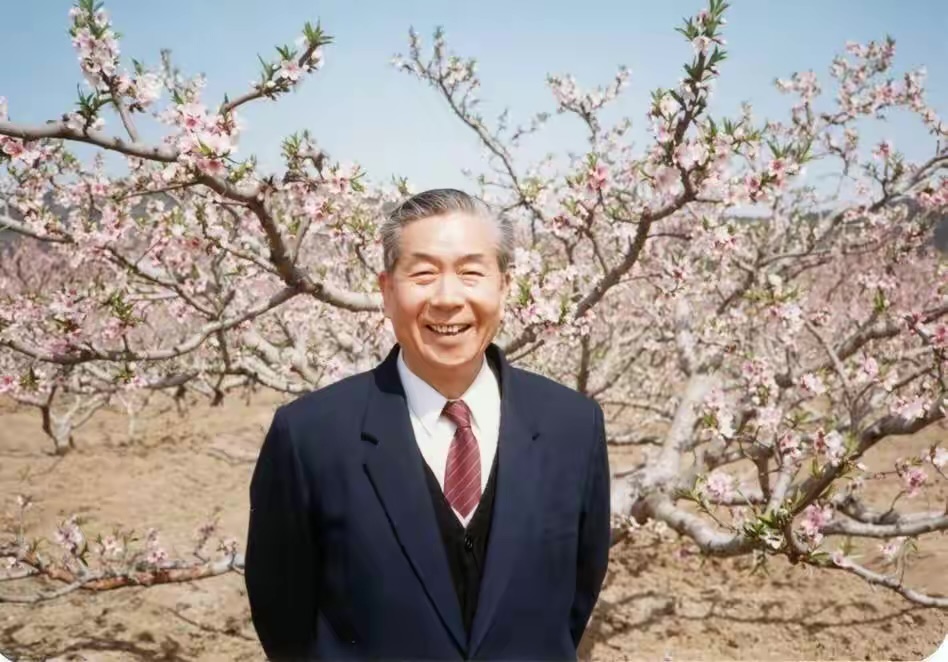
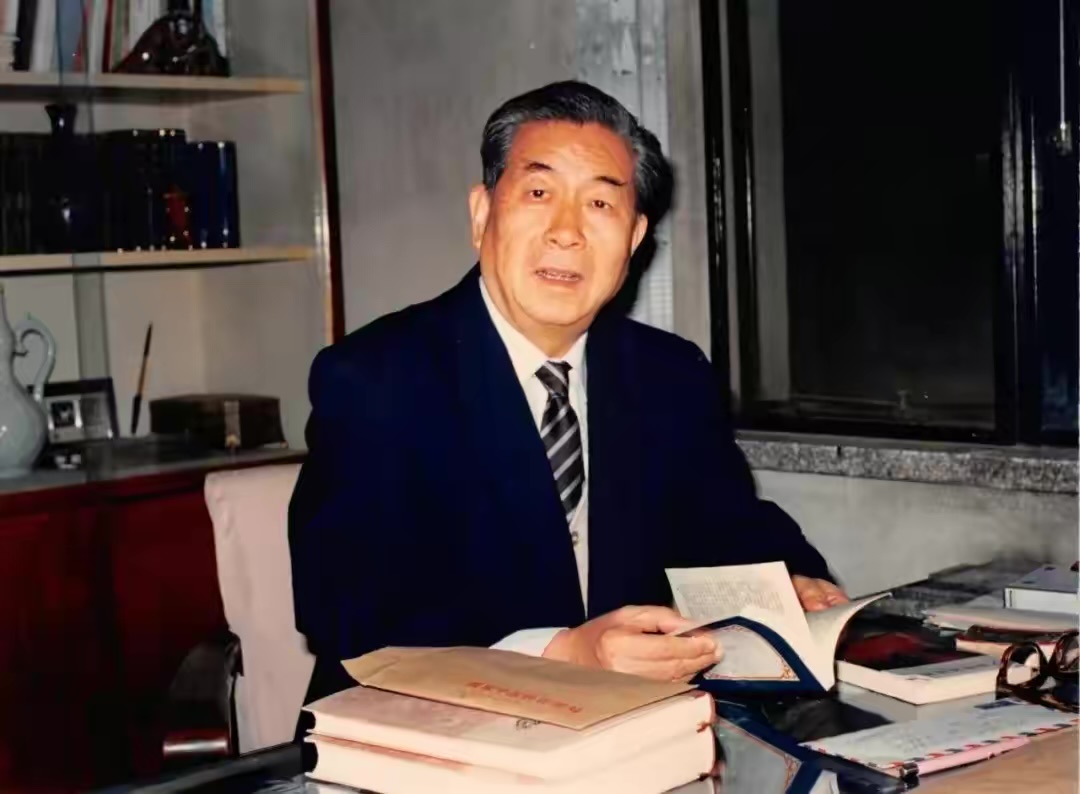
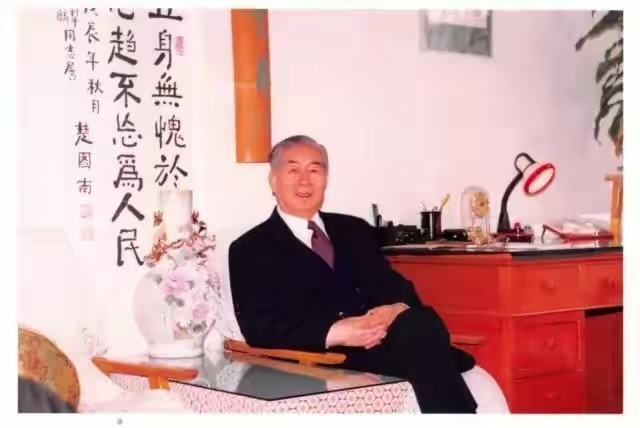
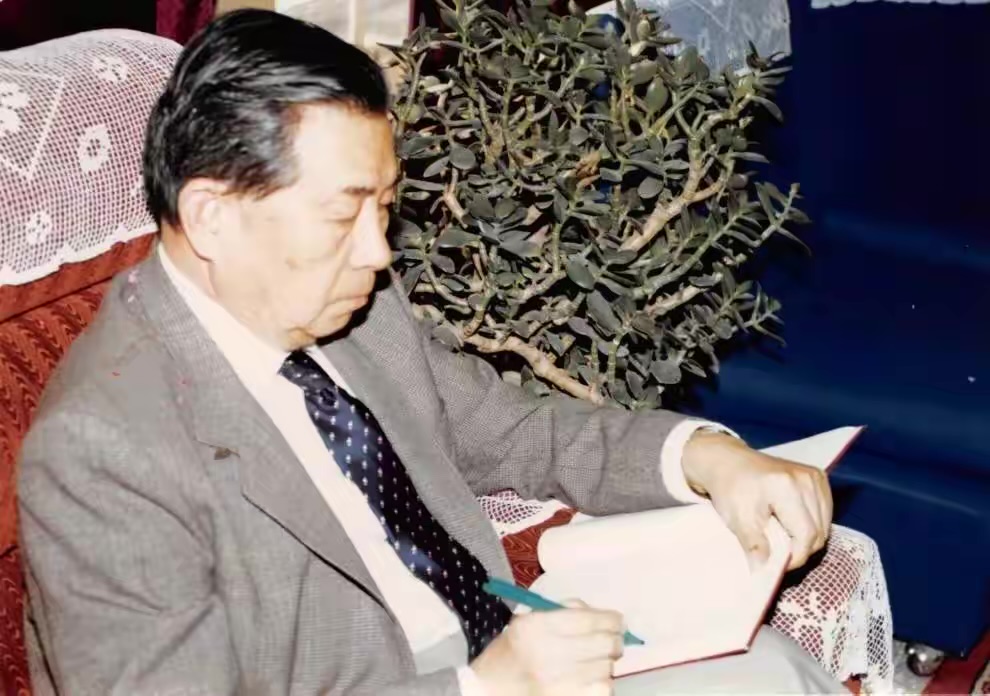
Cui Yueli (1920–1998), birth name Zhang Guangyin, from Shen County, Zhili (now Hebei). After finishing primary school, he left home to apprentice on his own. In October 1937 he joined the CCP; served as a military medic in the Jin-Cha-Ji base. In 1943 he was assigned to Beiping to do underground work; later served as Secretary-General of the underground Student-Work Committee, responsible for the underground radio and upper-level united-front work — and made major contribution to the peaceful liberation of Beiping. After 1949, political secretary to Peng Zhen; deputy director of the CCP Beijing Committee Research Office; head of its United Front Department; head of its Health and Physical Education Department; Vice-Mayor of Beijing; Vice-President and Secretary-General of the Beijing Political Consultative Conference; Standing Deputy Secretary-General of the Chinese People's Committee for World Peace. During the Cultural Revolution he suffered persecution by the Gang of Four: dismissed in 1966; imprisoned at Qincheng from 1968 for eight years; released in 1975; rehabilitated in 1978. Subsequently served as Vice-Minister, Minister, and Party Group Secretary of the Ministry of Health of the PRC; Vice-Minister and Deputy Party Secretary of the State Family Planning Commission; President of the Red Cross Society of China; member of the 12th Central Committee of the CCP and of the 13th Central Advisory Commission. He devoted himself body and soul to the restoration and development of Chinese medicine and pharmacology.
---
Memorial on the twenty-third anniversary of my father's passing
by Zhang Xiaotong
Twenty-three years on, remembering my father —
his upright figure is before my eyes.
Plain lapels shaped a bearing of the upright;
discerning bright eyes saw through evil.
Seeking truth, he drove through ten thousand li of mud;
setting disorder right, he turned back the great tide.
Only iron shoulders would carry the wishes of the many;
he never hid small-minded to protect official face.
When the wind came he gave free rein — reform strong as iron;
when the tide rose he cut crossways through the old obstinacies.
Wherever disaster fell, his shadow was near;
at the sound of the drum he went forward without pause.
If there were a million real Chinese-medicine practitioners,
why need we hang anxiously, clinging to the wild?
Far-sighted, high-minded, he raised the great enterprise;
the spring wind crossed the Yumen Pass early.
Calling and calling — old Minister,
for ten thousand ages, a shared spring.
Latest
Recently the COVID outbreak has broken out worldwide across many sites and is spreading. The experience of treating COVID with Chinese medicine has been a bright spot in China's epidemic-control campaign — and has drawn wide attention abroad.
To look back on the twisting road of Chinese medicine's development since Reform and Opening, there is one person we cannot walk around: the man who raised the call "Revive Chinese Medicine," Cui Yueli. He was not a Chinese-medicine practitioner himself, but he resolved to have something to show in the enterprise, and through practice resolved the Chinese-vs-Western-medicine dispute — which is why the Chinese-medicine community calls him "a singular figure in the hall of Qi-Huang."
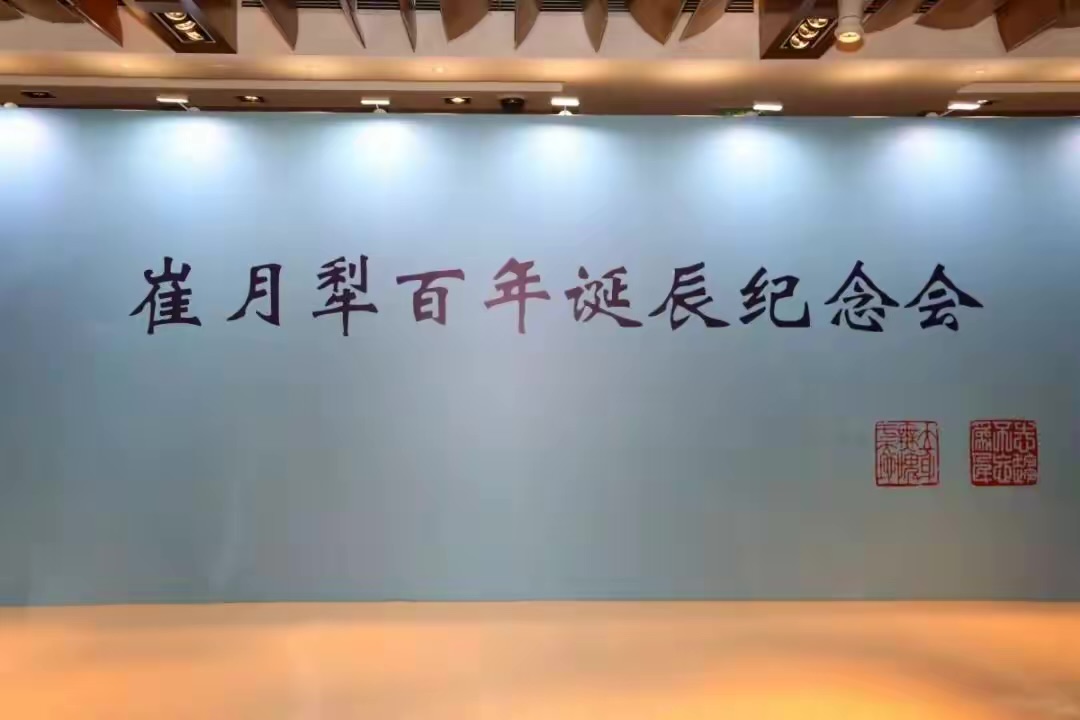
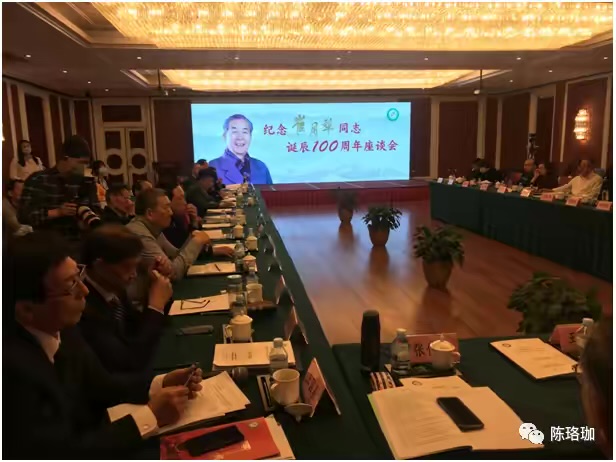
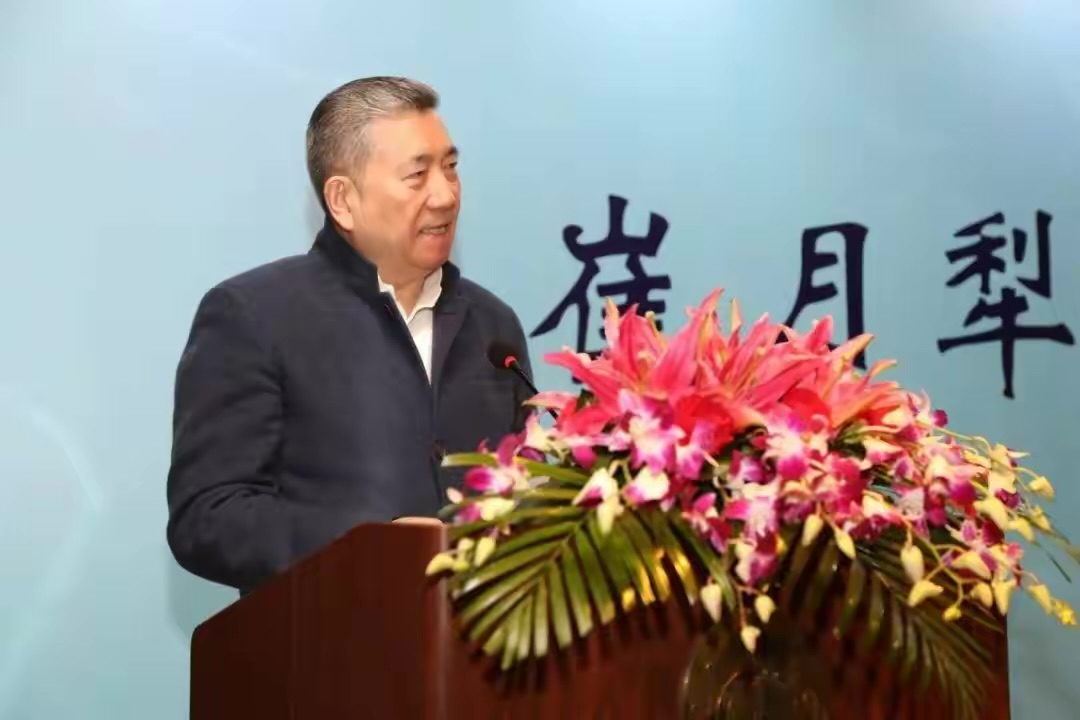
On November 18, 2020, the "Cui Yueli Centenary Memorial Meeting," jointly hosted by the Beijing Cui Yueli Center for Traditional Medicine and Beijing Pingxintang TCM Clinic, was held in Beijing. The meeting was to remember old Minister Cui Yueli, to express missing him, to inherit and promote his selfless-service-to-the-people spirit, to complete his wishes — so as to preserve and develop the distinctive features of Chinese medicine and to keep our country's Chinese medicine in its leading international position.
Cui Yueli's son Zhang Xiaobin gave remarks at the meeting, thanking all who came, and recalling his father's life with deep feeling.
Fan Zhenglun, on behalf of the Beijing Cui Yueli Center for Traditional Medicine and Pingxintang, reported on the work being done to carry on Minister Cui's unfinished aspiration — to revive the Chinese-medicine enterprise. Yu Wenming, She Jing, Zhao Jiebing, Li Yaqing, Zhou Bing, Wang Shujun, Li Jiajie, Hao Zaijin, Hu Bo, Li Zhizhong, and Wu Shengli, among others, spoke at the meeting. They told stories of working and living with the old Minister, illuminating his character and spirit from many angles, and moving and teaching the attendees.
Cui Yueli's daughter Zhang Xiaoping wrote, over nearly four years, the memoir My Father Cui Yueli — a truthful, moving book. After the meeting the hosts gave each attendee this book, together with Meditations on Chinese Medicine, which Cui Yueli edited in his lifetime.
Two acrostic poems written for his father's centenary by Cui Yueli's son Zhang Xiaobin
(The first characters of the four lines read: 百歲月犁 — "Cui Yueli at one hundred.")
At a hundred years I remember the hero soul;
The years of wind and hardship pass without sound.
The moon travels a thousand li — where to seek?
The plough crosses all the world for Qi-Huang.
(The first characters read: 月犁百年 — "Cui Yueli's centenary.")
The moon, the plowing ox command my life;
The plough cuts a thousand li for the people.
A hundred hardships fall to us in our generation;
The spirit of the age is in the wheel ahead.
And another:
Few desires, a quiet life — a handful of leisurely lines;
Of a whole life's story, there is still something to tell.
Thirty years of storm now feel like yesterday;
Under the last light of the sunset, still plowing the field.
People's Memories
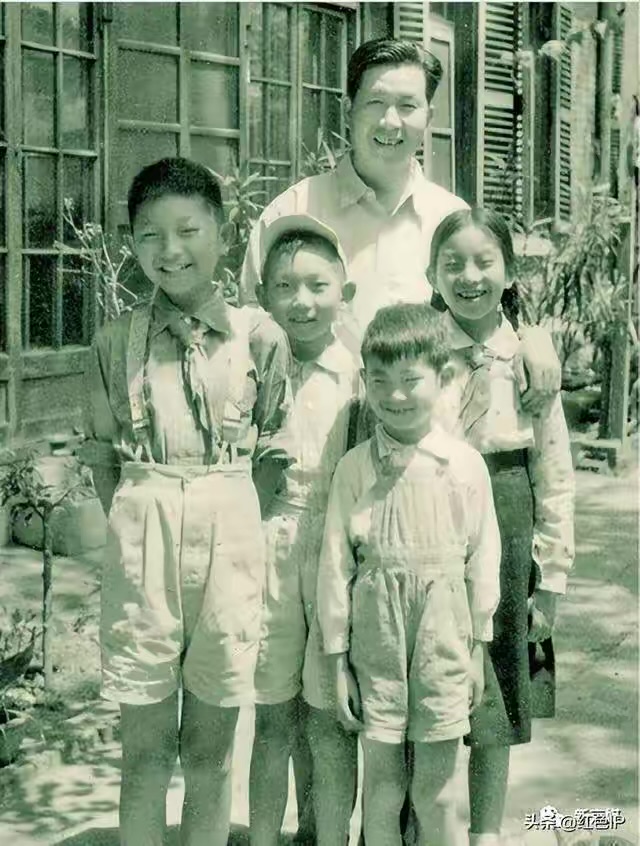
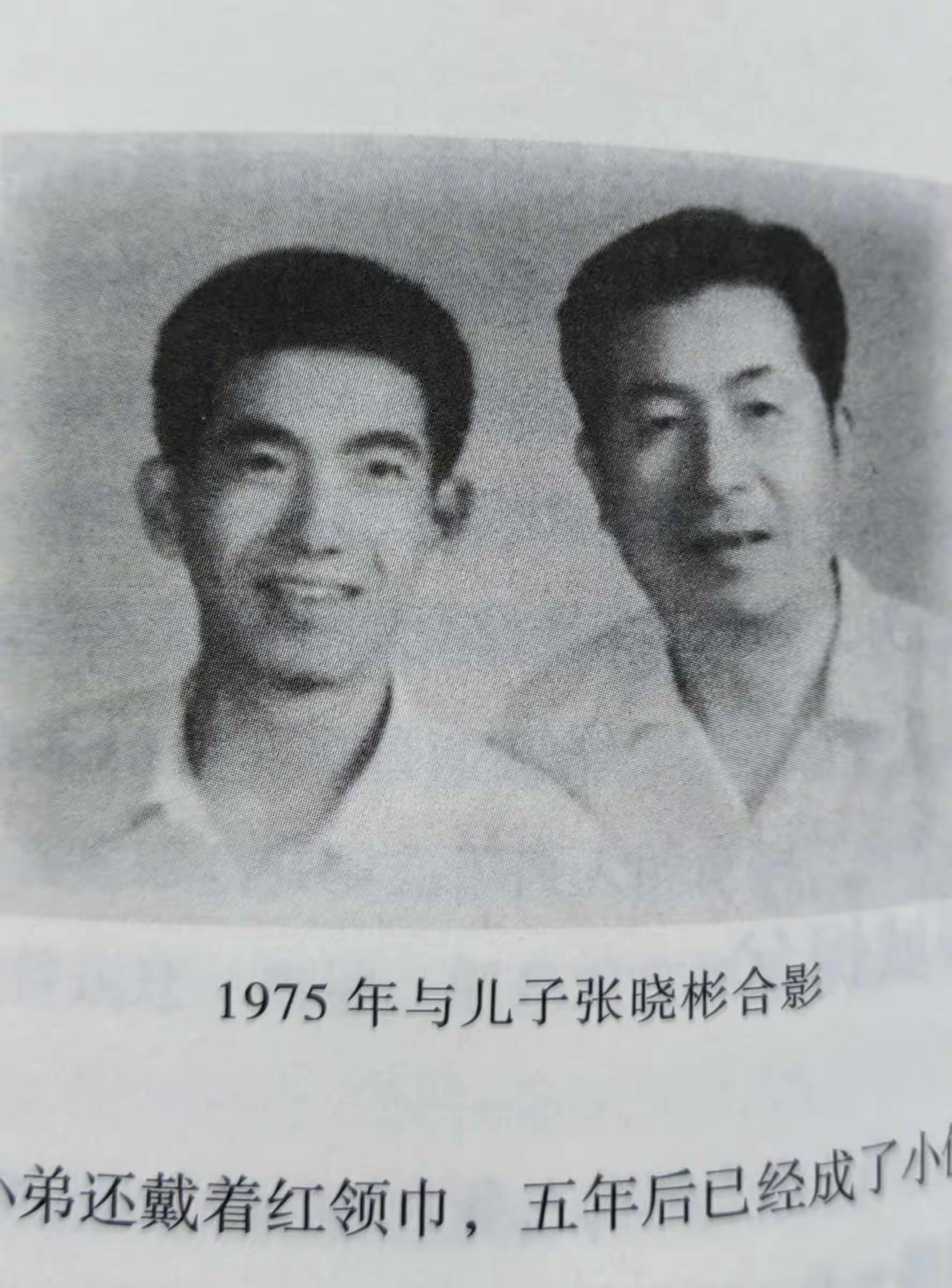
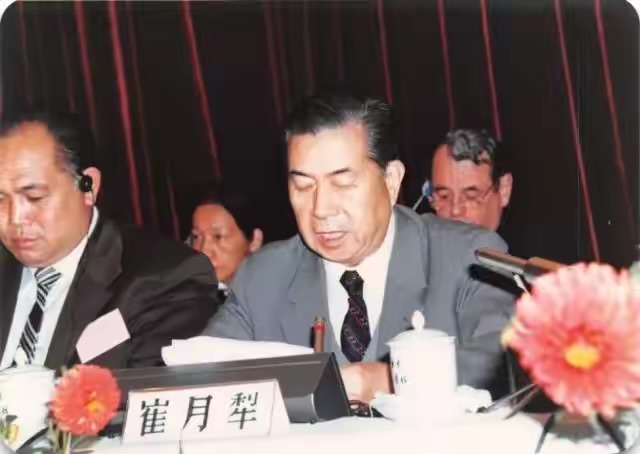
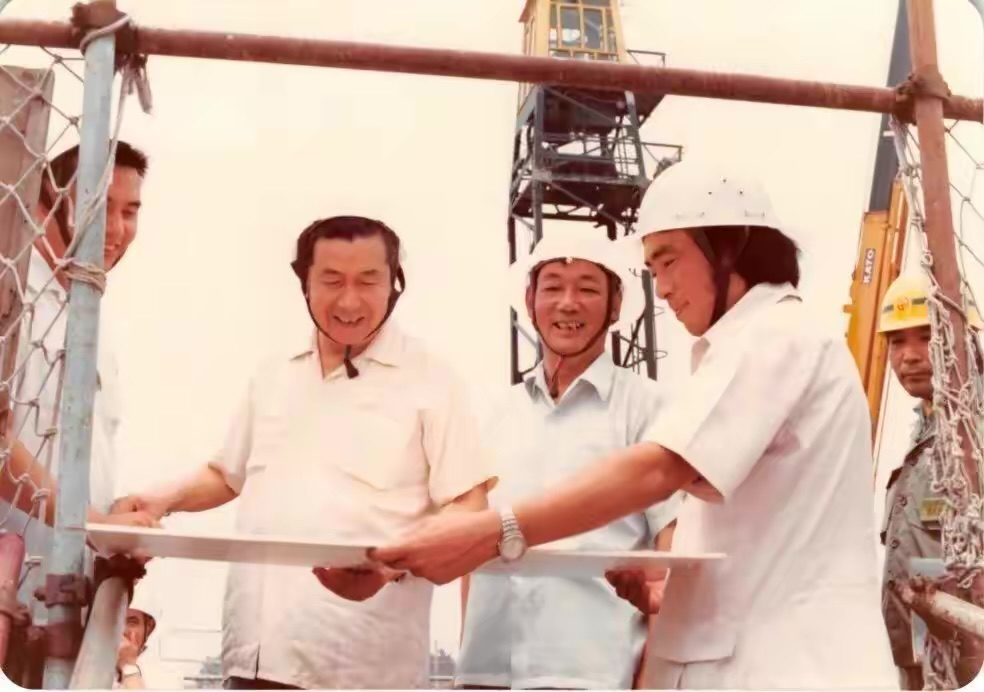
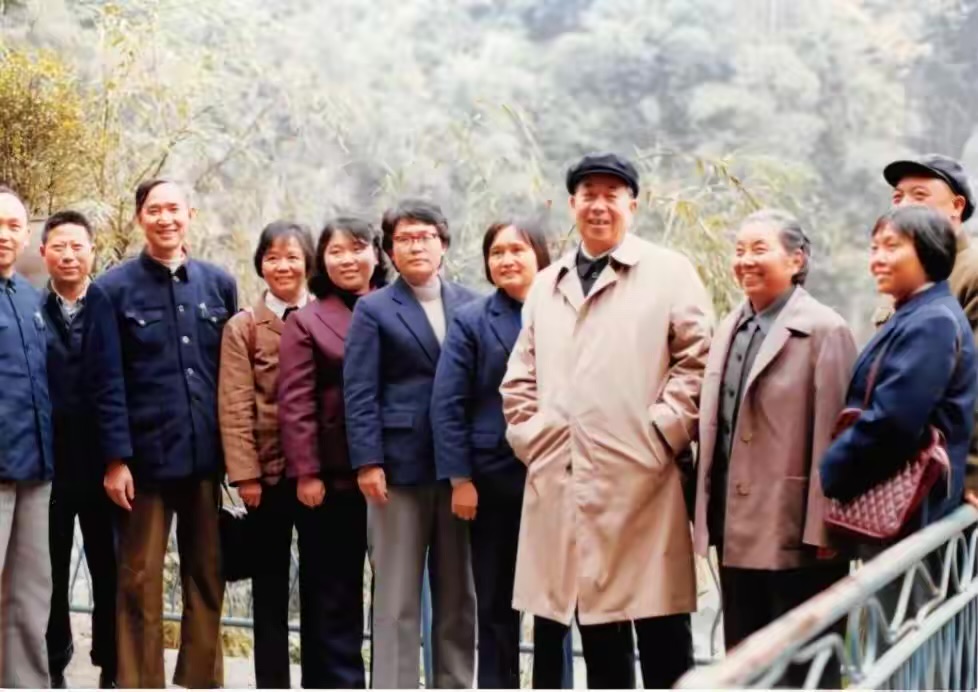
Minister Cui has been gone twenty-two years. The way his colleagues, friends, and family remember him is like pearls — bright, precious, sacred — pulling at our hearts, holding the feeling of each of us.
Minister Cui's spirit and his bearing have been moving us. His style and his character have been softening us. His face and his smile have been with us. Through these scattered memorial reflections, let us string those pearls together again.
"The people's verdict follows the man after he is gone." In those days of difficulty and setting-things-right for Chinese medicine, even with the Party and the government's support, Minister Cui's commanding role and his capacity for leadership were decisive.
The sun does not speak, and its splendor is known; the mountain does not speak, and its height is known; the sky does not speak, and its breadth is known; the earth does not speak, and its vastness is known. Minister Cui was a high-flying banner in our Chinese-medicine world.
"The east wind quickens the dawn moon; the great earth awaits the spring plough." In remembering Minister Cui, we should learn his never-forgetting-the-original-intent and his unshakable resolve in the mission to revive Chinese medicine; learn his responsibility and drive in carrying out the Party's Chinese-medicine policy. Our Chinese-medicine enterprise must pass the flame along in learning, and also in administration. Carry forward the essence, keep to what is right, and innovate — let the thousand-year national healing art shine bright.
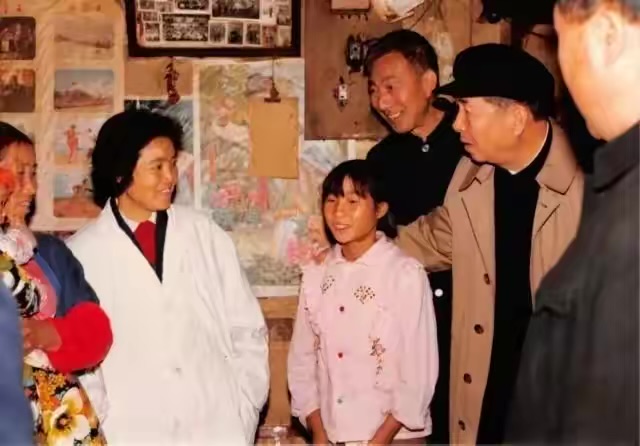
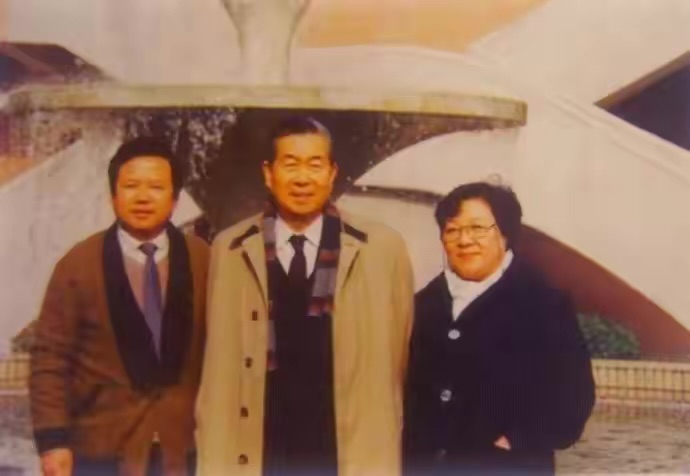
---
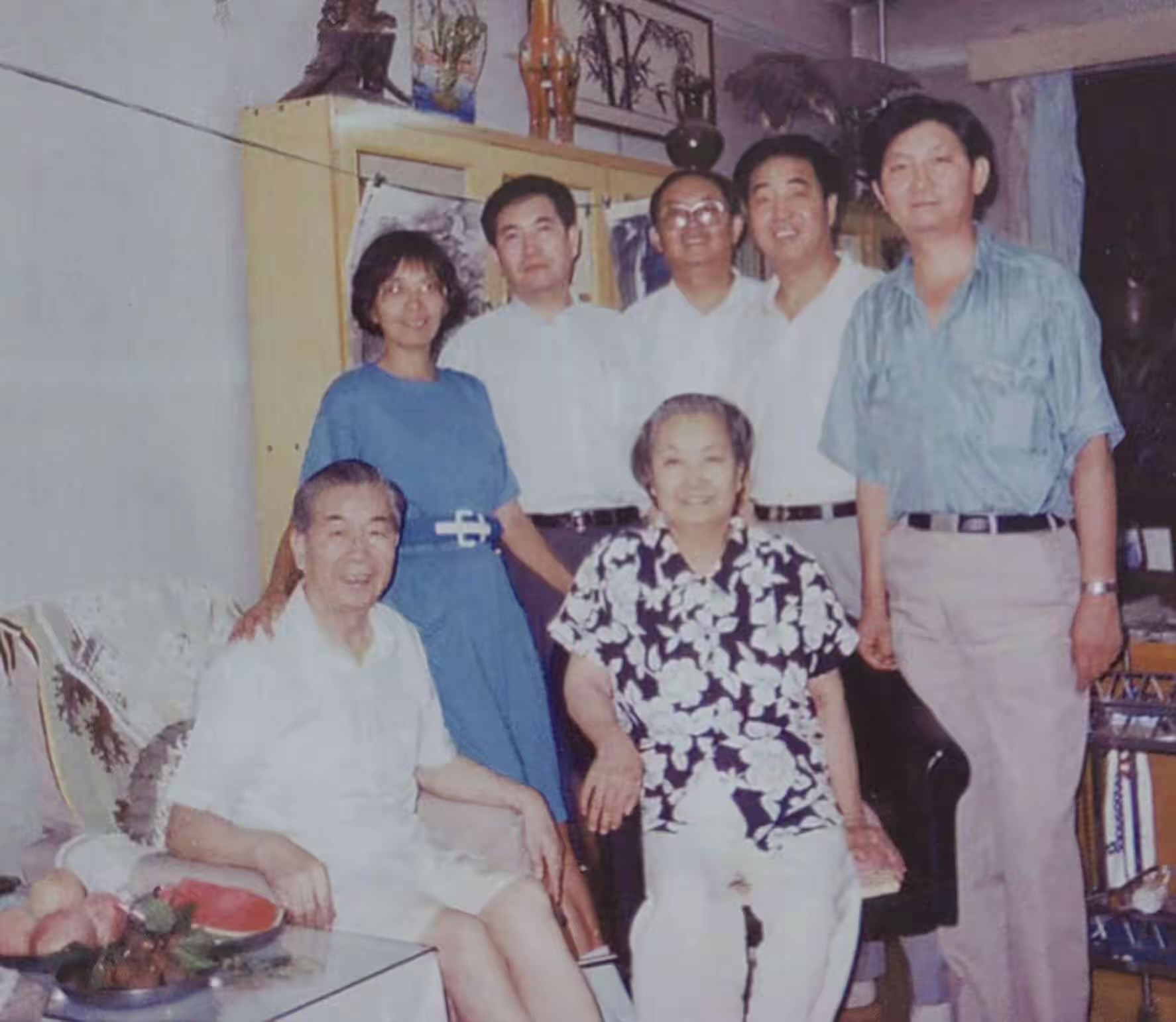
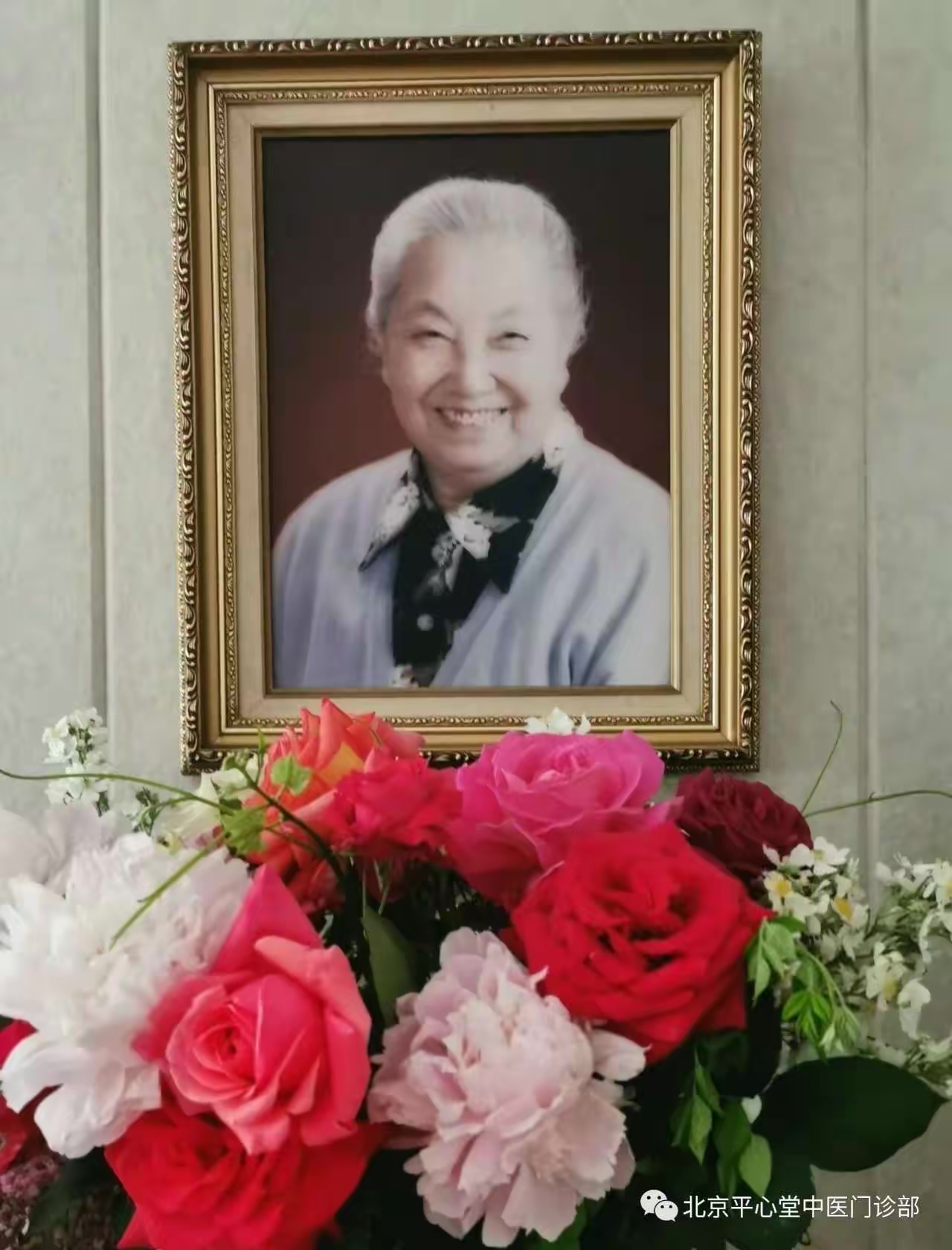
Extra: Cui Yueli's wife Xu Shulin — a mother who loved to learn
By Zhang Xiaotong
The deepest impression my mother left me is her learning. She loved to learn and was good at it, holding to it through the decades. Mother was indeed busy. After retirement she began a new life — which is to say, she began new studies. Seven days a week, from morning to night, her schedule was full: besides reading books and newspapers, she took up painting, English, computer use, singing, dancing, taiji; and she went back to the Peking opera she had loved as a young woman — dressed the part, and "sang" her share.
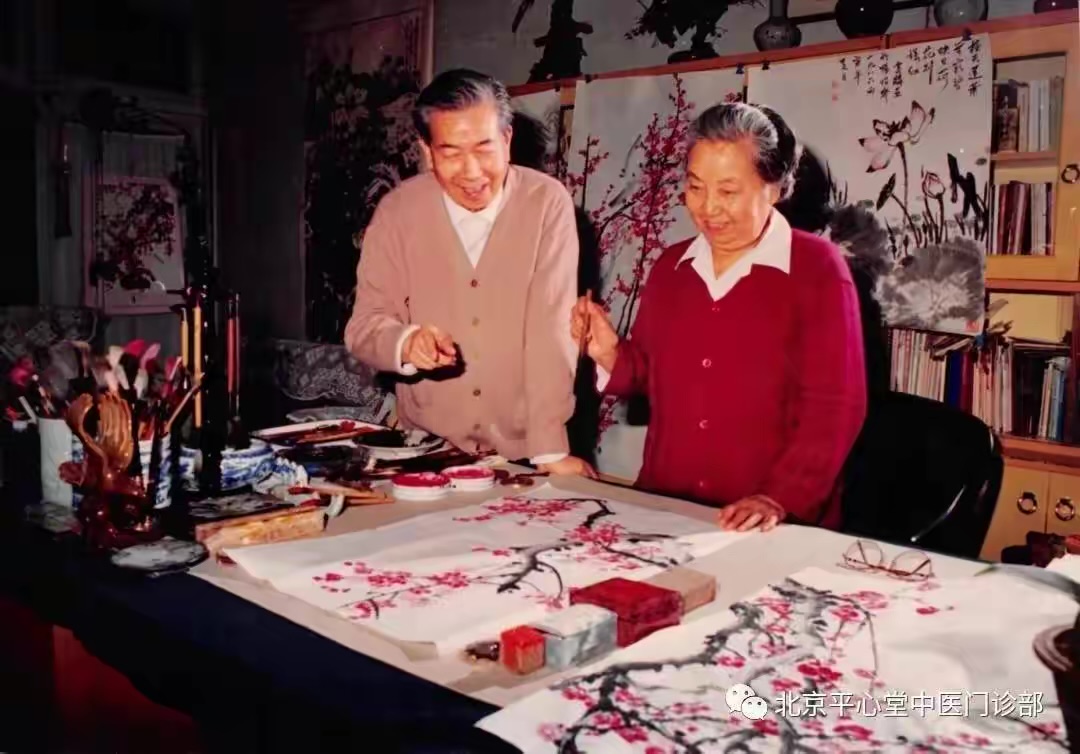
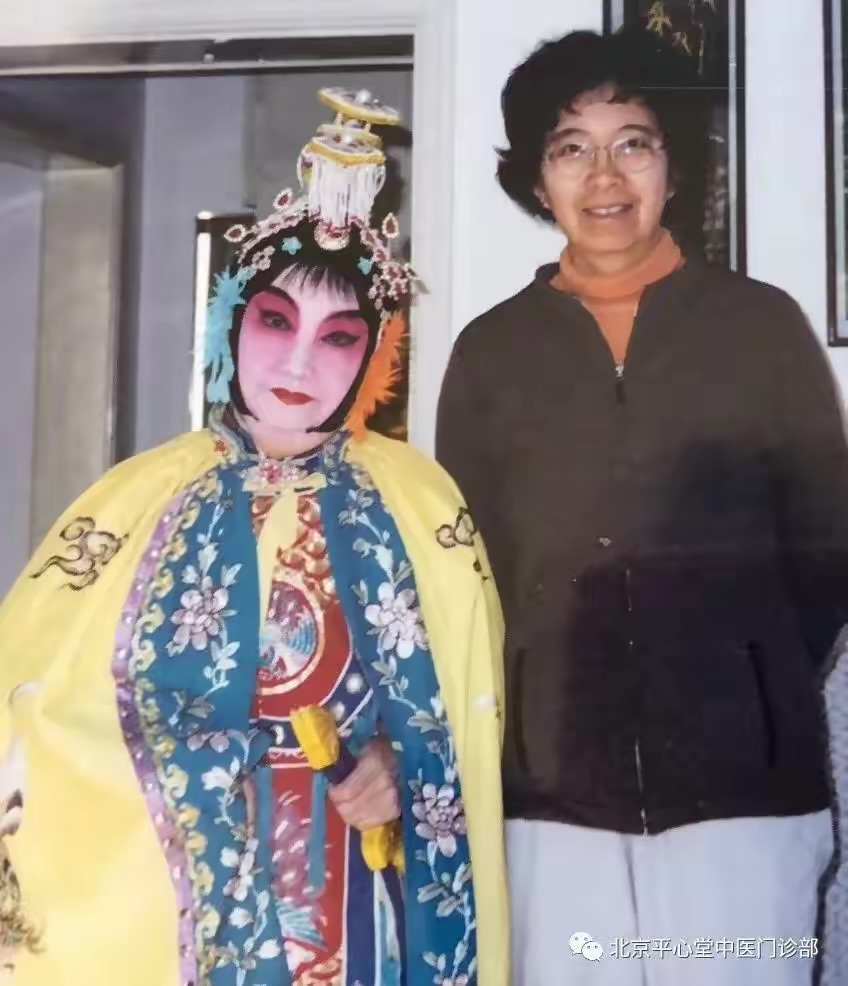
To study painting, Mother crowded onto buses to get to the senior-citizens' school — so crowded that once she was pressed off the bus and injured her back. To study computer use, she started from zero, signed up for a class, and the first time she walked into the classroom her classmates applauded this white-haired student. For English, it was not loose talk: those who saw her thick, fluently-written notebooks could only marvel. Even at singing and dancing, she was diligent and serious; she attended every activity — never missed, never late.
Mother's self-discipline in study was a habit built over many years, her demands on herself almost severe. Study was her life.
Her rigor let in not an ounce of half-belief or self-deception; at her house there was no place for the half-truth or the eye-fooling. If you were going to look it up, you looked it up thoroughly; if you were going to learn it, you learned it properly. It was precisely these small, steady, stubborn habits that made Mother the most learned member of the family.
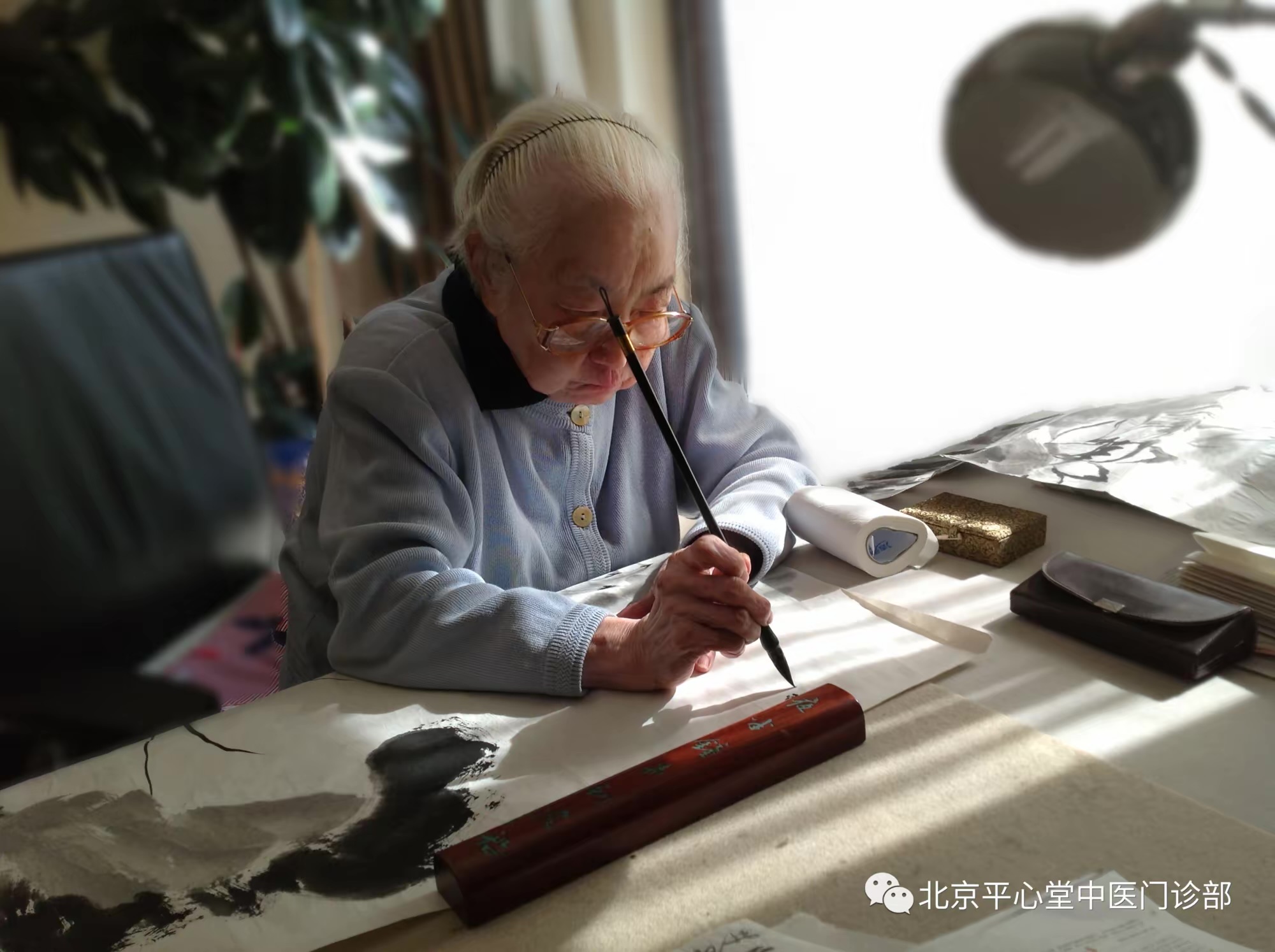
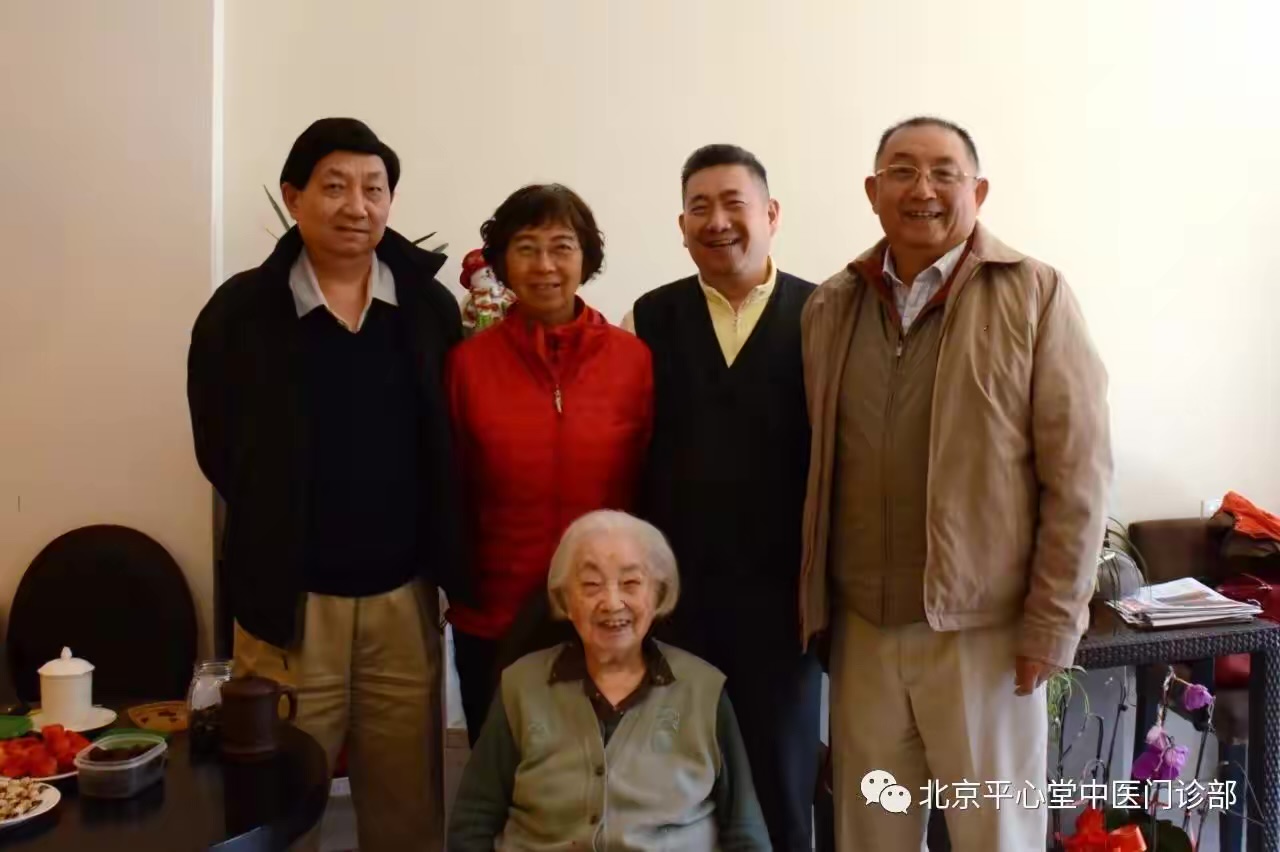
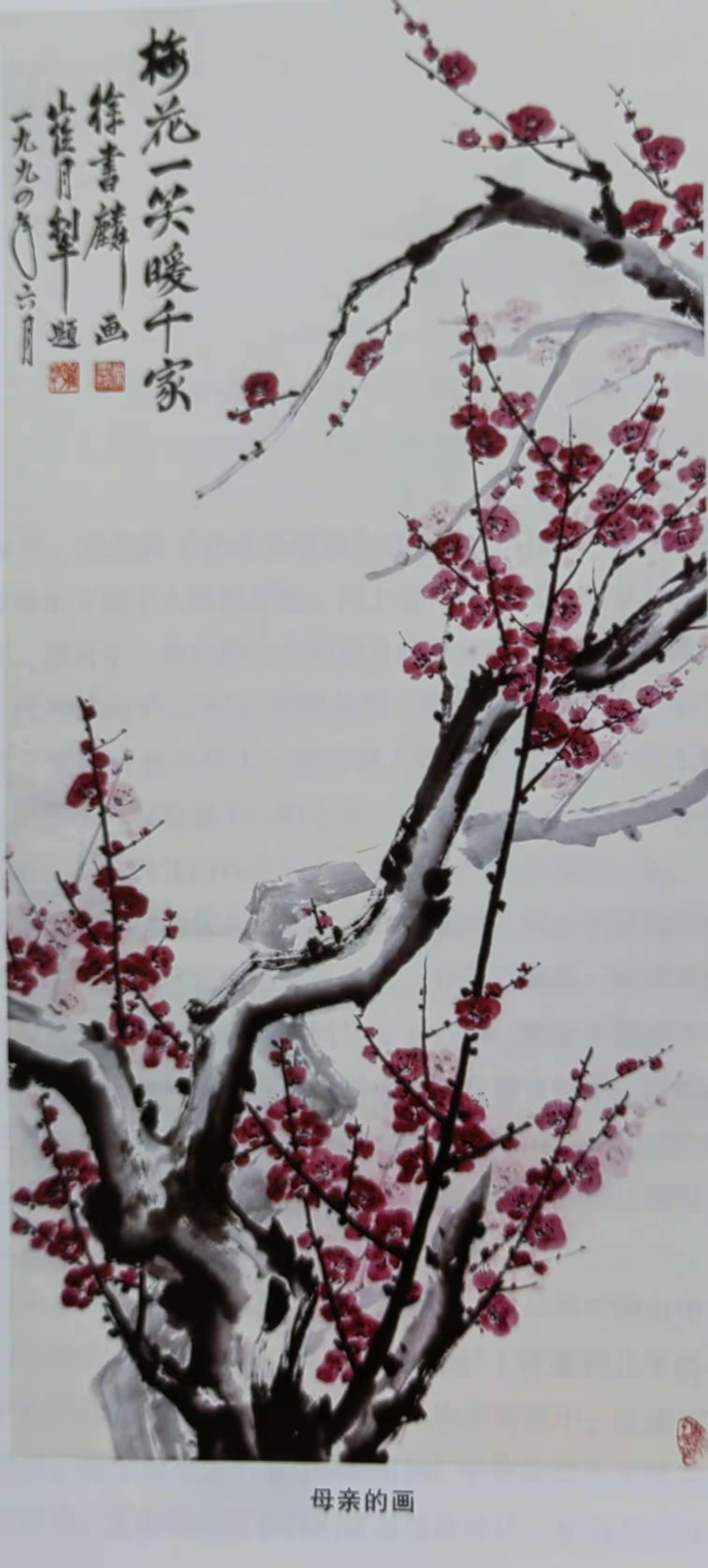
Mother's savings went mostly into art books, and she collected calendars of traditional Chinese paintings. She not only studied the styles and brushwork of each dynasty in detail; she also knew well the distinctive features of dozens of modern painters and calligraphers. Sometimes when we looked at calligraphy or painting together, she could tell the artist precisely without looking at the signature, and could explain the brush, the ink, the composition, the color in detail.
Everyone knew that Mother painted plum blossoms well — people called her "Plum-Blossom Xu." I once tried to learn plum-blossom painting from her; the moment I took the brush, I realized that getting the plum right took more than a day. Consider the branch of a plum blossom: the weathered strength of the old trunk, the upright rise of the new sprigs. The old trunk's weathered strength rests on calligraphic training; the new sprig's uprightness is concentrated strength. On a four- or six-foot plum painting, a single stroke from the base to the top is straight, evenly paced, strong, leaning up — full of life.
About the meipian compiler
Moran (female). Member of the Chinese Writers Association; contract writer, Chengdu Literature Institute. Has been writing literature professionally for 35 years; has published more than 20 novels, plus more than 10 TV, film, and stage works, and has received several literary awards.
President of the Tianhua Literary Society. Chaired the writing of this book review, and added the closing passages.
The accompanying music and video is the song "The Song of Chinese Medicine — Let the World Be Full of Sunlight," with lyrics by Cui Yueli's son Zhang Xiaotong.